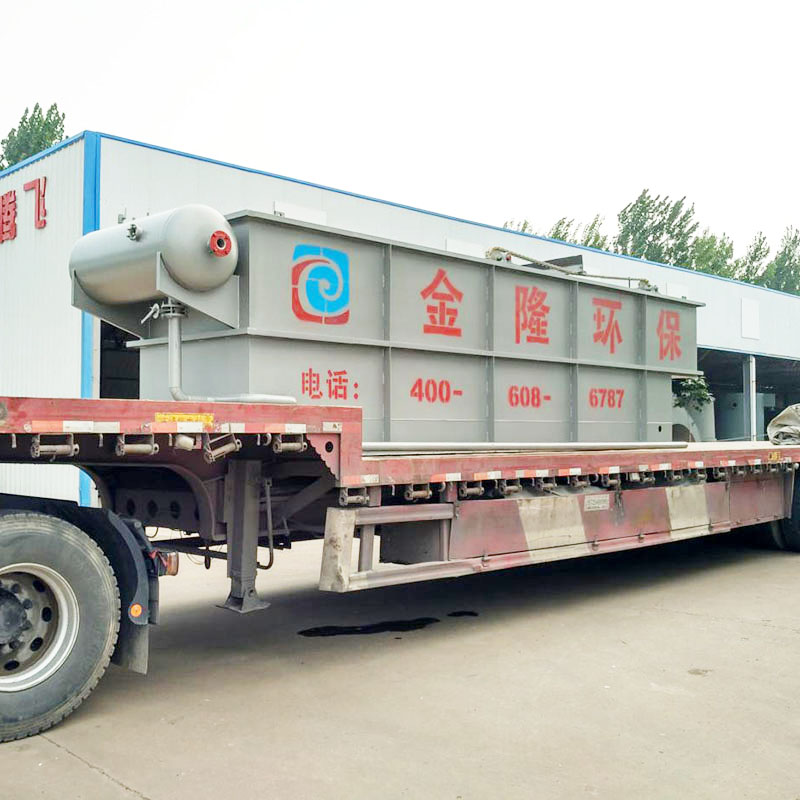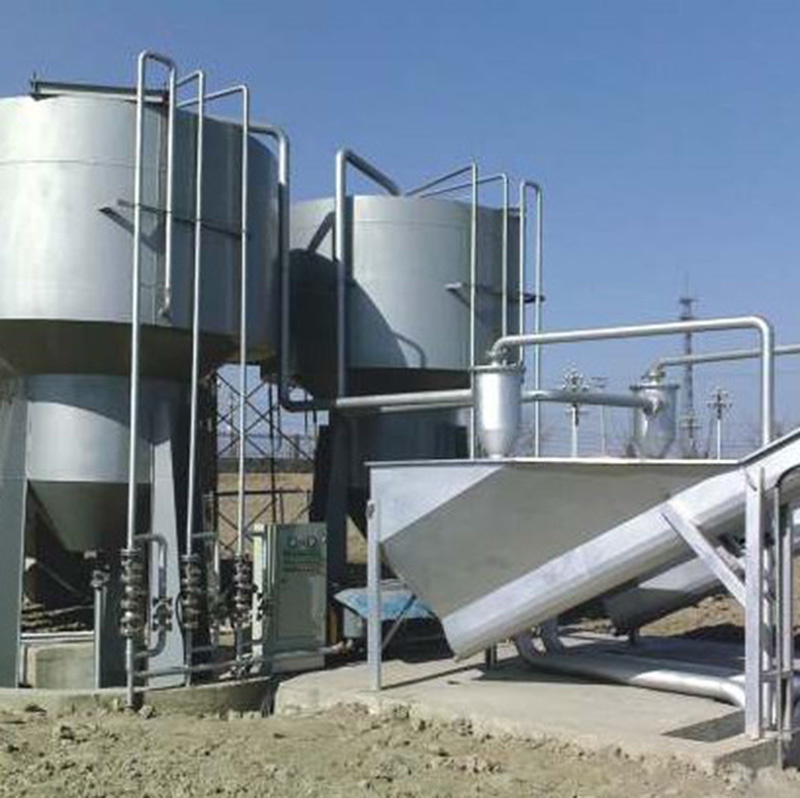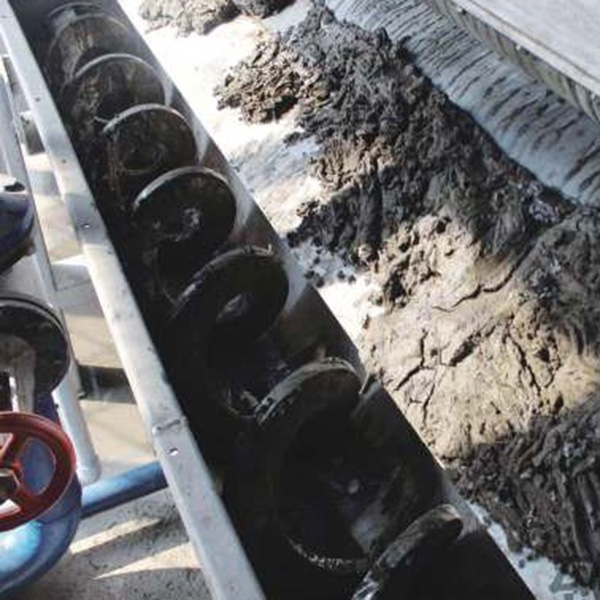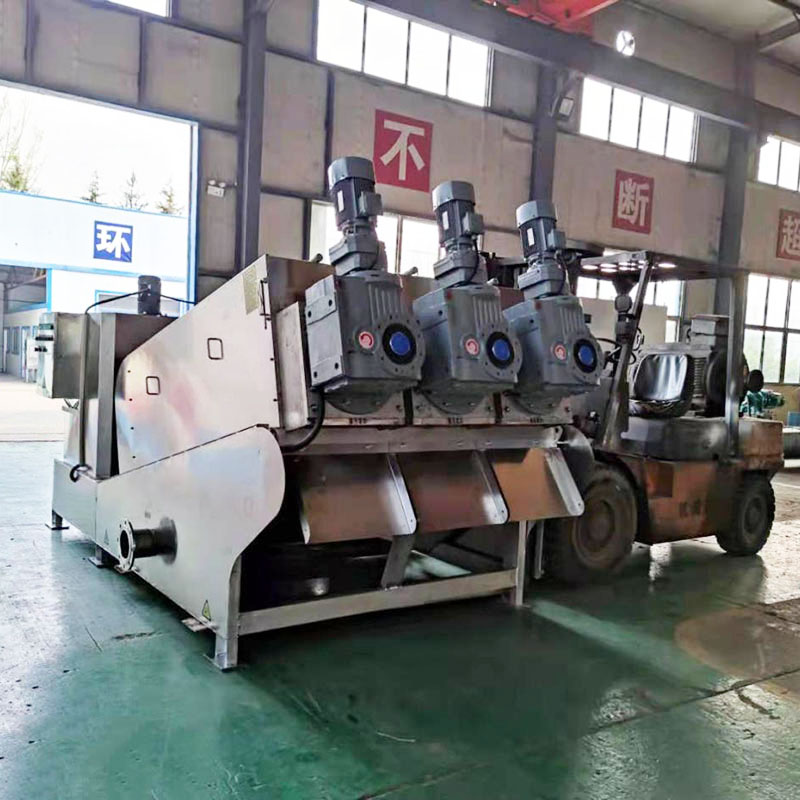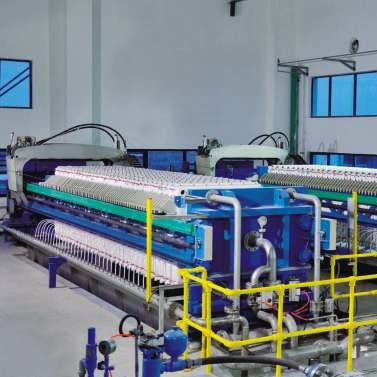
As a leading manufacturer in China, I understand the challenges you face in sludge dewatering. Our Belt Type Press Filter Machine is designed to streamline your operations while maximizing efficiency. This machine utilizes advanced technology to reduce the water content in your sludge, making it easier and more cost-effective to handle. I’ve seen firsthand how our press filter machine can improve the performance of wastewater treatment plants and industrial applications. With its sturdy construction and user-friendly design, it offers reliability you can count on. Whether you're dealing with municipal sludge or industrial by-products, this dewatering solution adapts to your needs. Plus, we focus on providing excellent support throughout your purchasing journey, ensuring that you make the best choice for your business. Trust me, investing in our Belt Type Press Filter Machine means you’re making a smart move towards improved efficiency and lower operational costs. Let’s optimize your sludge management together!
As the global demand for efficient waste management solutions continues to rise, the sludge dewatering market is poised for significant growth. The Belt Type Press Filter Machine stands out as a key player in this sector, offering advanced technologies that enhance the dewatering process for various industries, including municipal wastewater treatment, food processing, and mining. Its ability to reduce sludge volume and minimize operational costs makes it an attractive solution for businesses looking to optimize their waste management practices. In 2025, leaders in the market will be those who not only provide cutting-edge machinery but also emphasize sustainability and energy efficiency. Companies that invest in research and development to innovate their products will likely capture the attention of global buyers. Enhanced features, such as automated controls and real-time monitoring, significantly improve operational efficiency and reduce labor costs. Furthermore, commitment to after-sales support and customer service will set the top players apart, building long-term partnerships with clients around the world. Purchasing decisions for sludge dewatering machines will increasingly consider factors such as reliability, scalability, and environmental impact. As industries become more aware of their carbon footprint and regulatory standards tighten, the demand for high-performance, eco-friendly technologies is expected to grow. Suppliers that can demonstrate the effectiveness of their Belt Type Press Filter Machines in not just handling sludge, but doing so in a sustainable manner, will find themselves at the forefront of this evolving market landscape.
| Parameter | Value |
|---|---|
| Market Size (2025) | $1.2 Billion |
| Growth Rate (CAGR) | 6.5% |
| Key Applications | Wastewater Treatment, Food & Beverage Processing, Chemical Industry |
| Geographical Market Leaders | North America, Europe, Asia-Pacific |
| Innovative Technologies | Advanced Polymer Flocculants, Smart Monitoring Systems |
| Sustainability Initiatives | Resource Recovery, Reduced Energy Consumption |
| Investment Opportunities | Emerging Markets, Technological Upgrades |



![4TEEQ6N(D)F3T~KA~Q[O]86](http://cdnus.globalso.com/cnjlmachine/4TEEQ6NDF3TKAQO86.png)