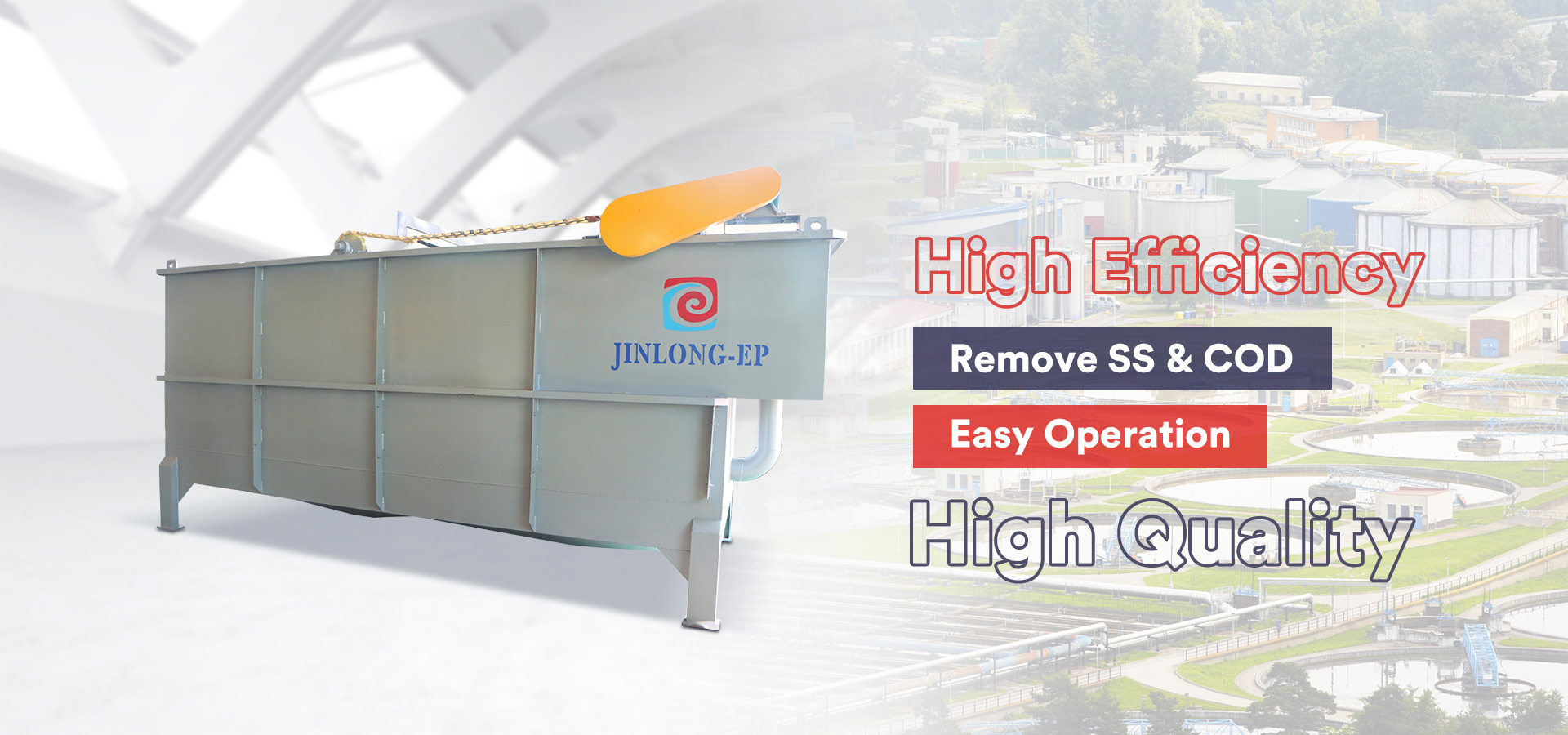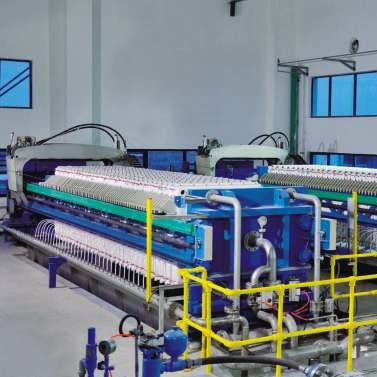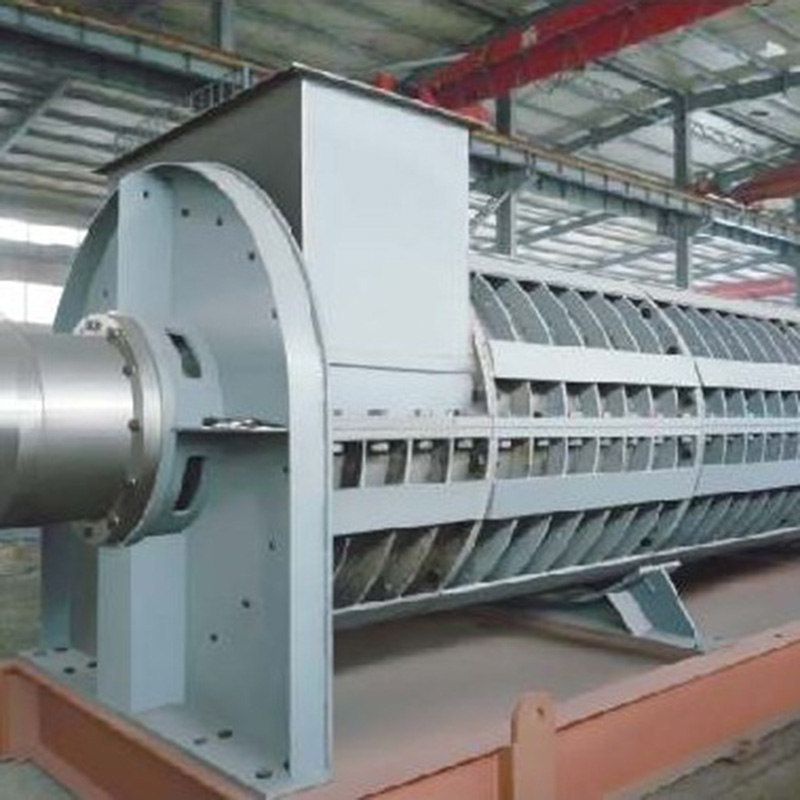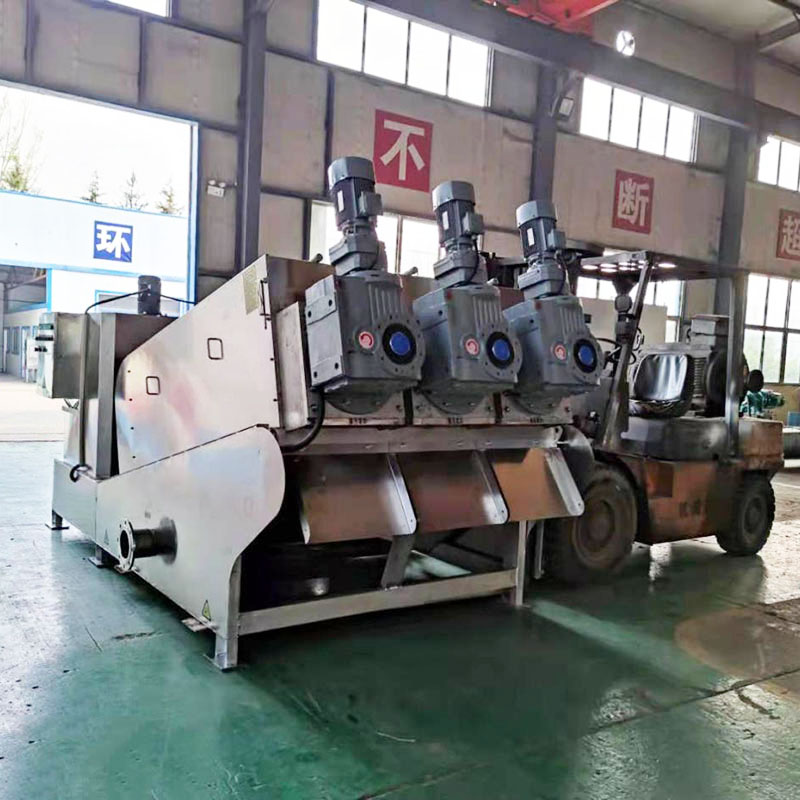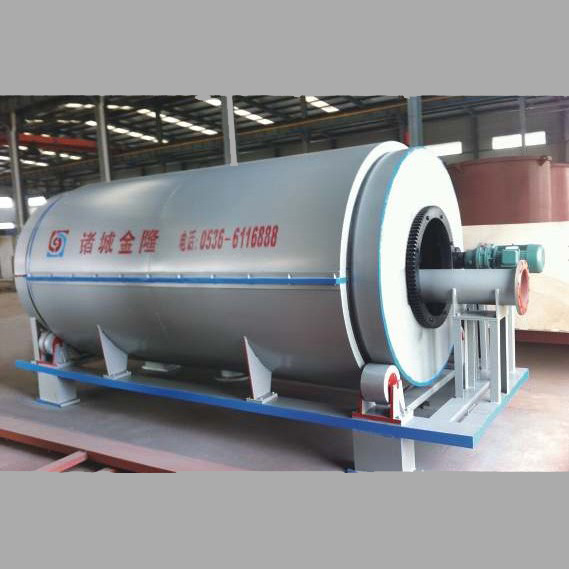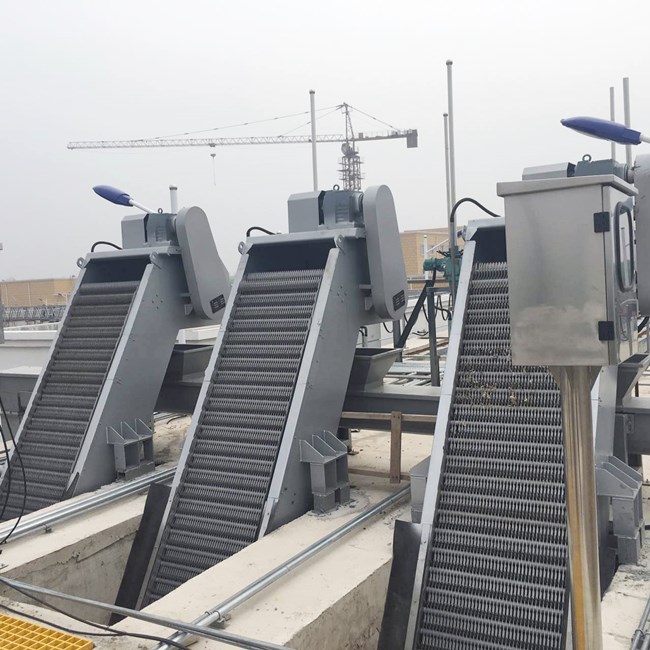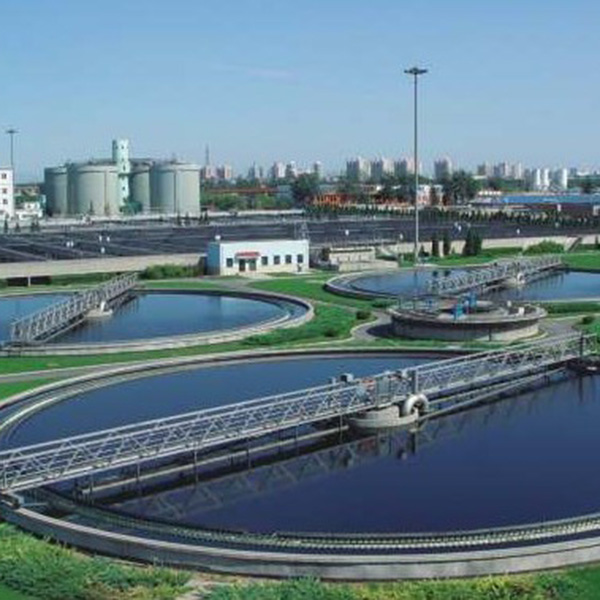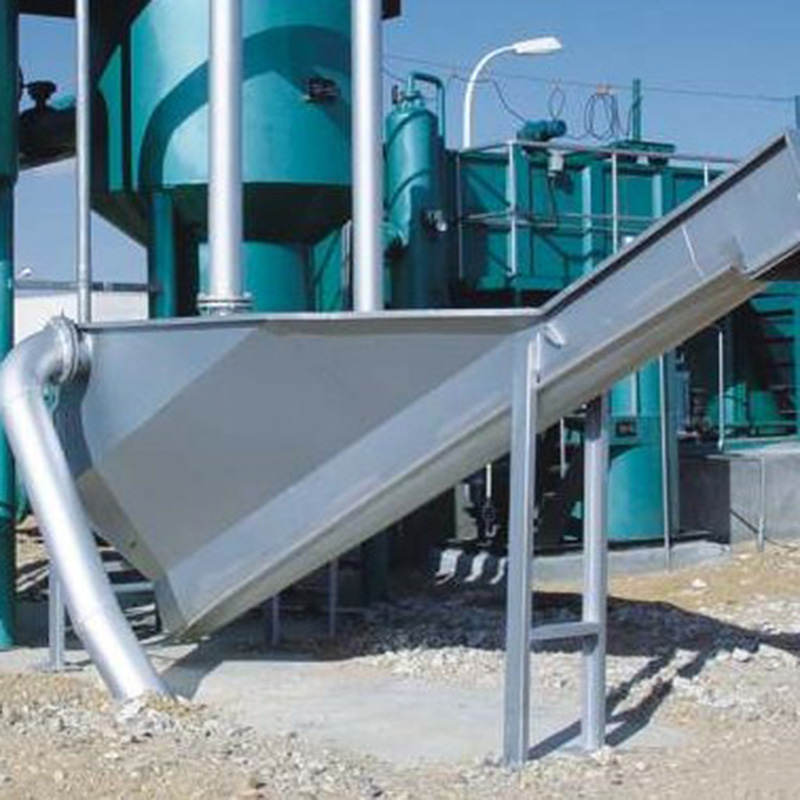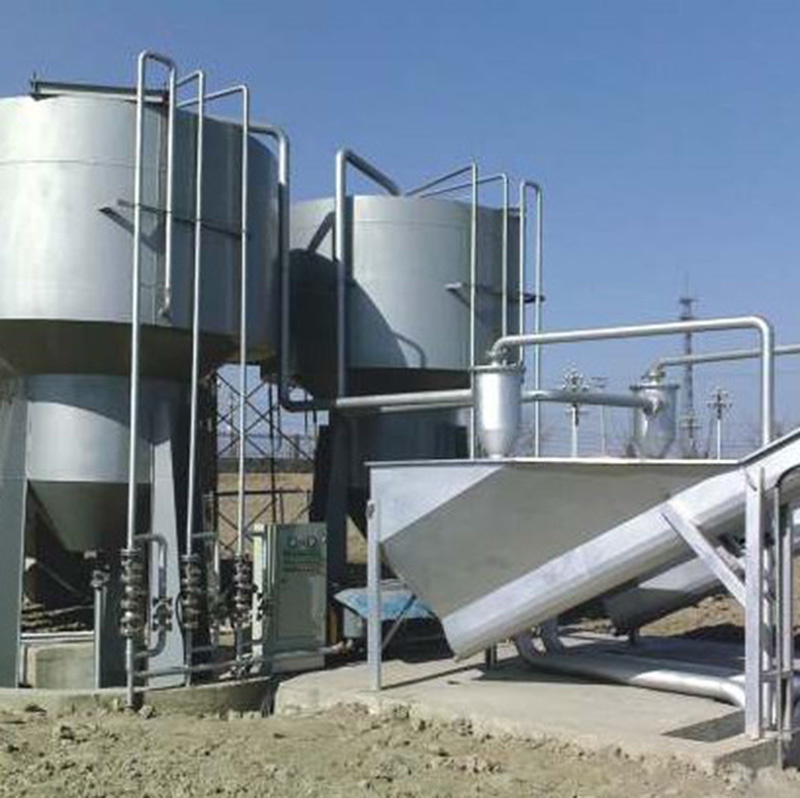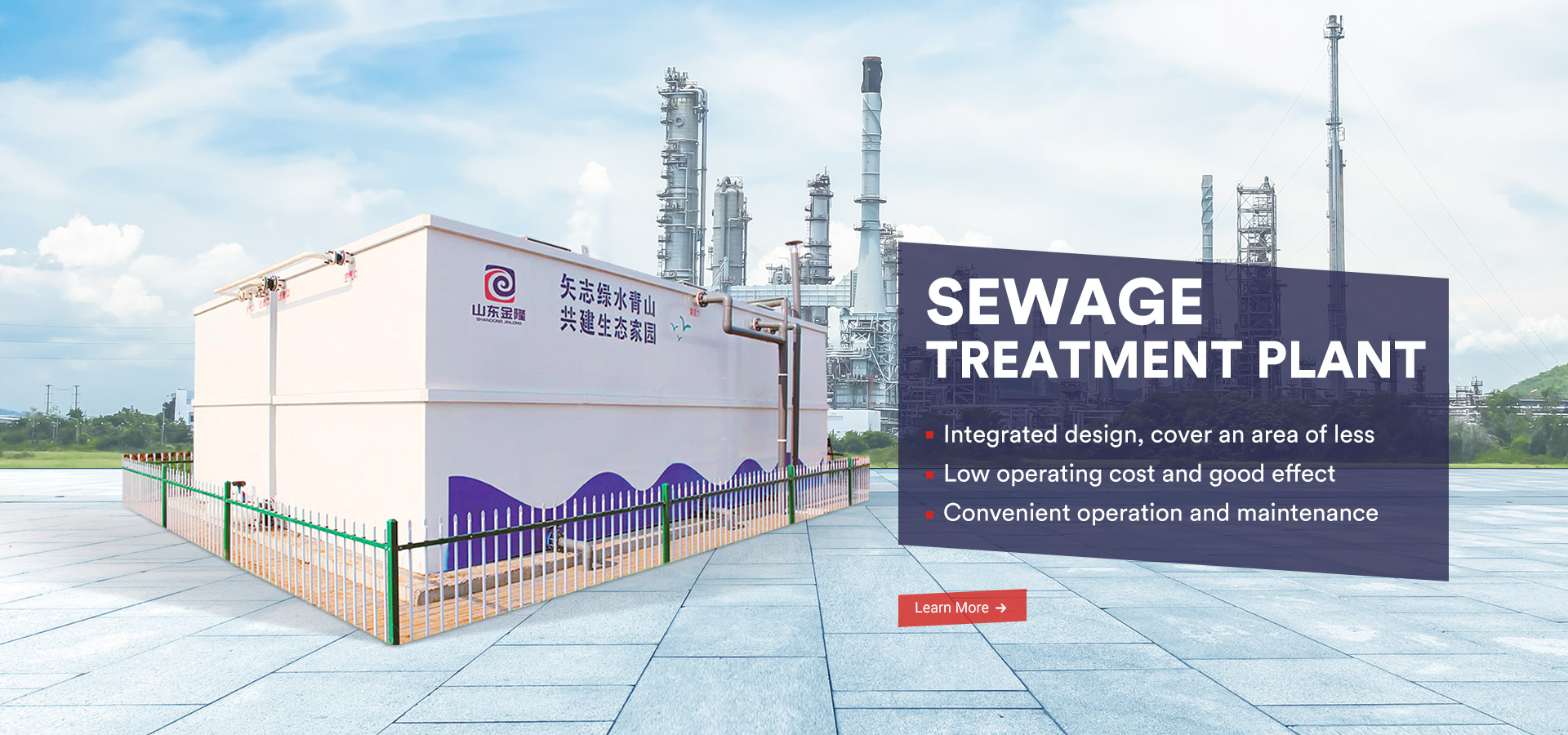
When it comes to efficient wastewater treatment, our high-quality Sludge Sedimentation Tank stands out in the industry. I’ve seen first-hand how these tanks improve sedimentation processes, offering robust design and exceptional performance. With a focus on durability, these tanks are crafted by leading manufacturers who prioritize innovation and reliability. Our Sludge Sedimentation Tanks are engineered to handle varying sludge volumes and adapt to diverse operational needs. I appreciate how easy they are to integrate into existing systems, making them a smart choice for any facility looking to enhance its treatment capabilities. Whether you’re a small operation or a large-scale facility, our solution is tailored to meet your specific requirements, ensuring optimal performance and cost-effectiveness. Choosing a high-quality Sludge Sedimentation Tank from trusted manufacturers not only boosts efficiency but also supports sustainable practices in water treatment. Let’s take a step forward together in achieving cleaner, more efficient wastewater management!
In the evolving landscape of wastewater treatment, sludge sedimentation tanks have emerged as essential components that facilitate efficient waste management. This year, the market has witnessed significant advancements in sedimentation technology, setting new standards in performance and reliability. The demand for high-quality sludge sedimentation tanks continues to surge, driven by the need for sustainable solutions in various industries. The latest designs incorporate innovative features that enhance sedimentation efficiency, reduce maintenance costs, and improve overall operational effectiveness. As global environmental regulations tighten, industries are increasingly seeking advanced solutions to manage their wastewater effectively. The introduction of cutting-edge materials and engineering techniques has led to the development of sedimentation tanks that boast superior corrosion resistance and longevity. These modern units are engineered to optimize sedimentation processes, ensuring that businesses can meet stringent discharge standards while maximizing resource recovery from waste. This not only minimizes environmental impact but also promotes a circular economy approach. With an emphasis on sustainability and operational efficiency, there has never been a better time for global buyers to invest in state-of-the-art sludge sedimentation tanks. Adopting these advanced systems not only enhances compliance with international regulations but also improves the overall performance of wastewater treatment facilities. As the market continues to innovate, companies that stay ahead of the curve by integrating these technologies will undoubtedly reap the long-term benefits of increased efficiency, reduced operational costs, and enhanced environmental stewardship.
| Parameter | Value |
|---|---|
| Market Share (%) | 28.7 |
| Projected Growth Rate (2023-2028) | 5.2% |
| Key Regions | North America, Europe, Asia-Pacific |
| Main Applications | Wastewater Treatment, Industrial Processes |
| Average Operational Efficiency (%) | 85% |
| Technological Innovations | Solids Control, Advanced Monitoring |