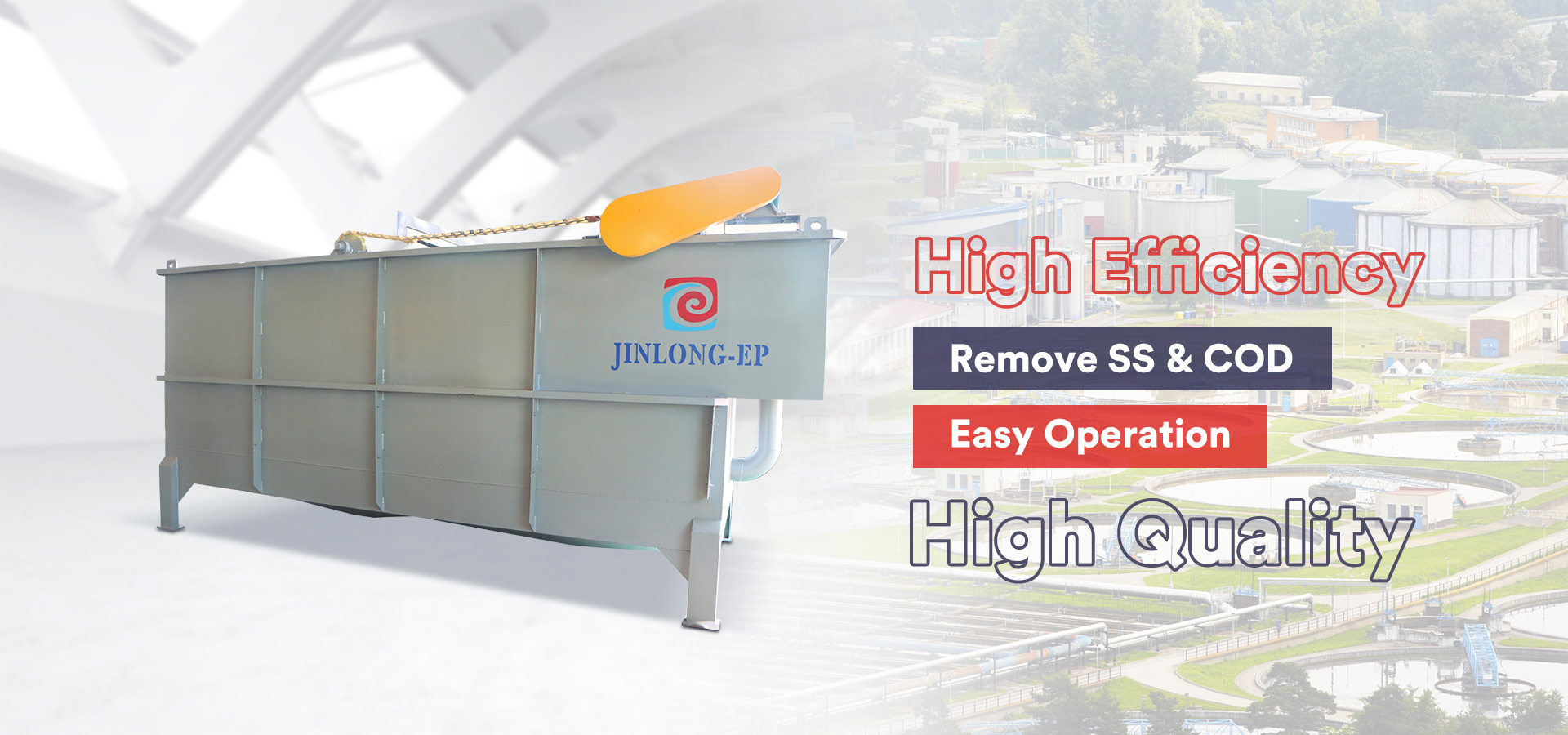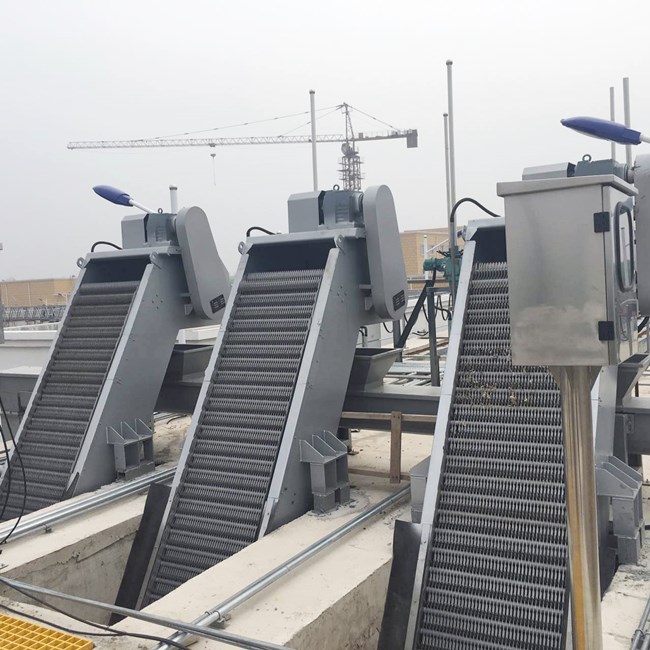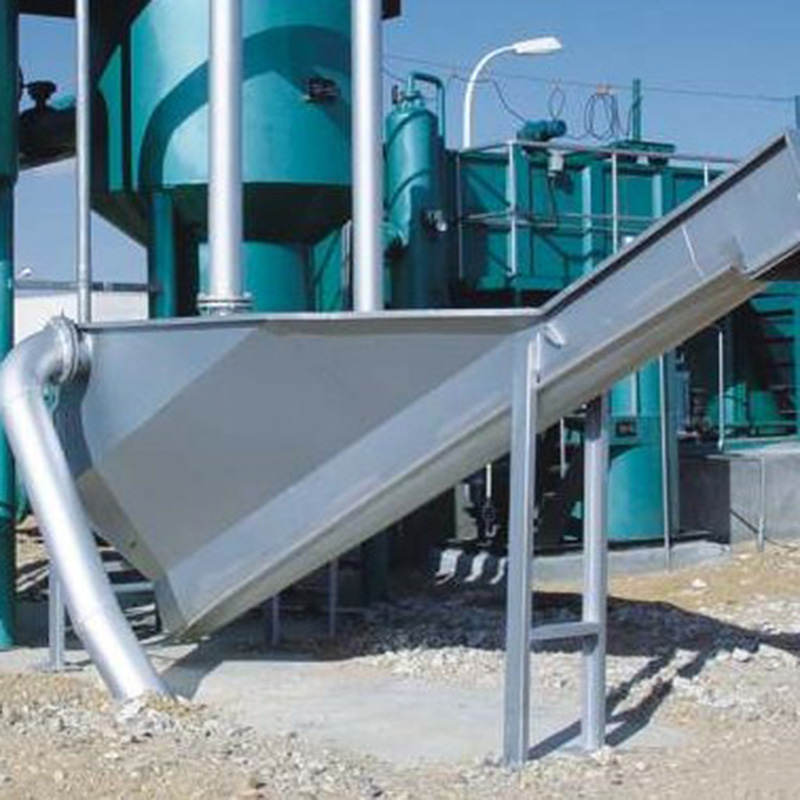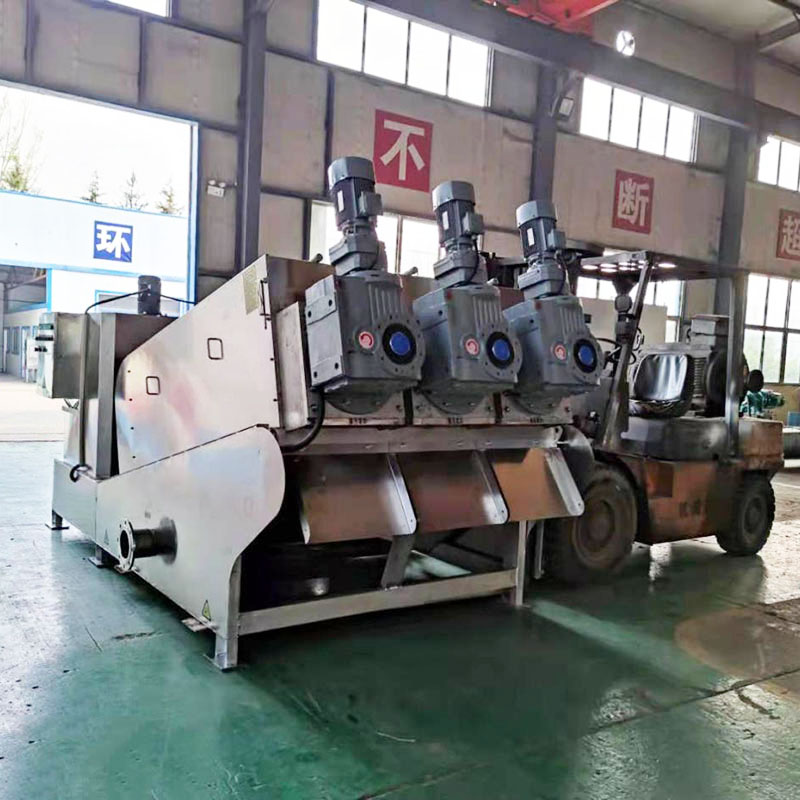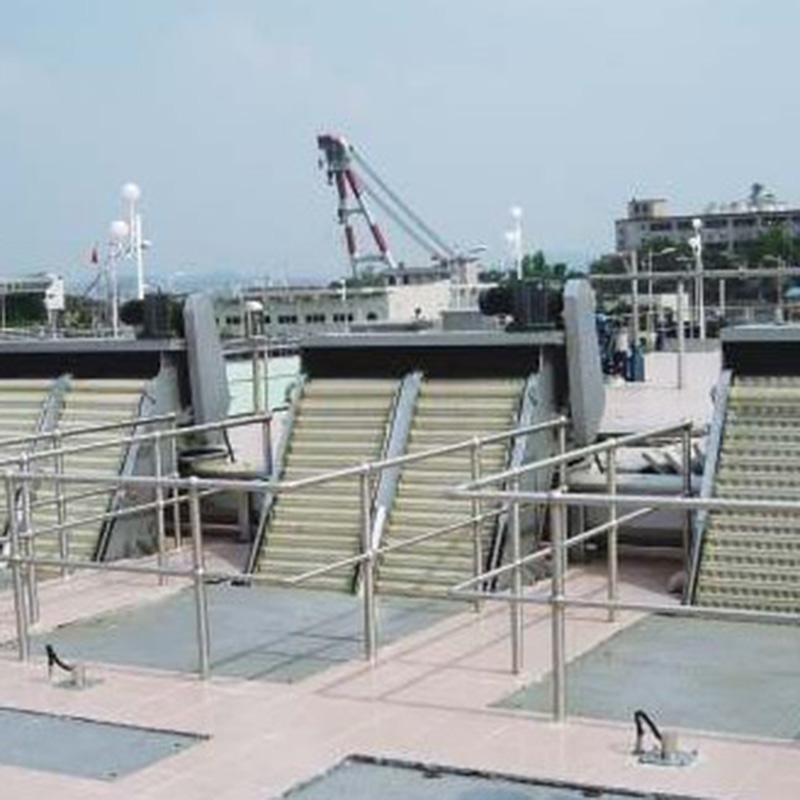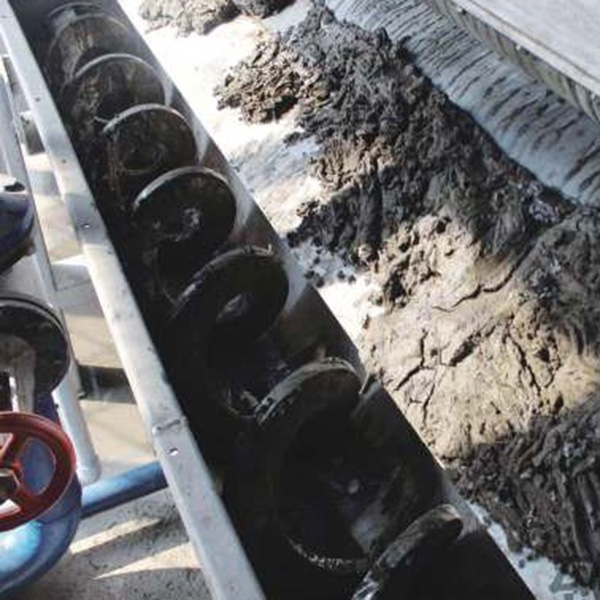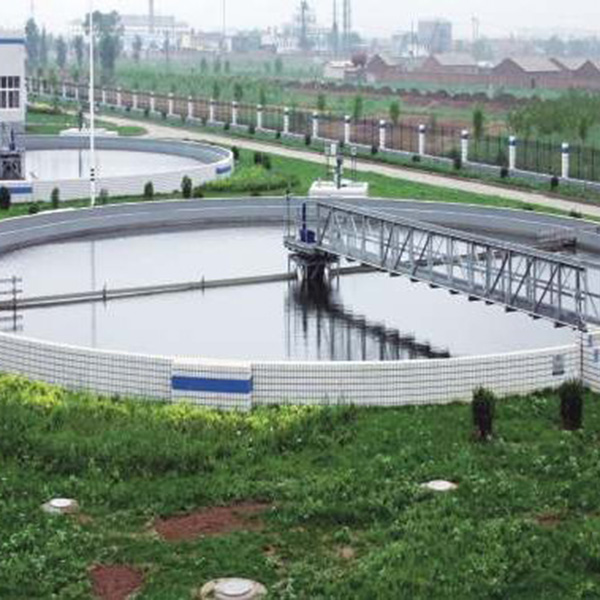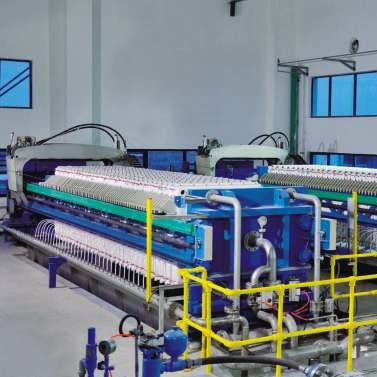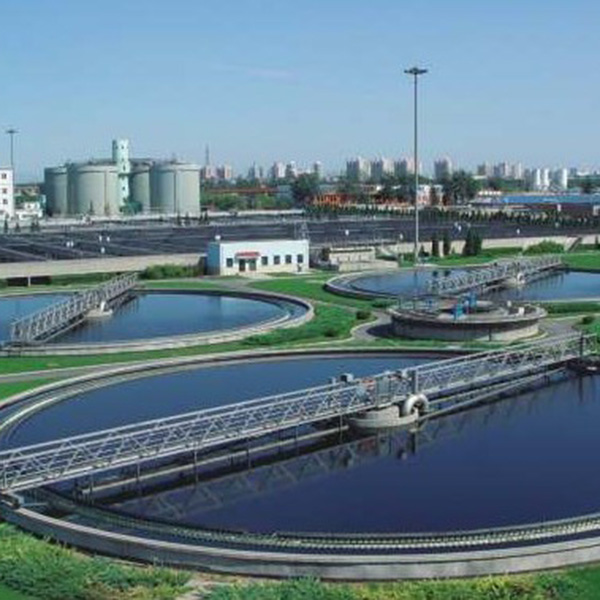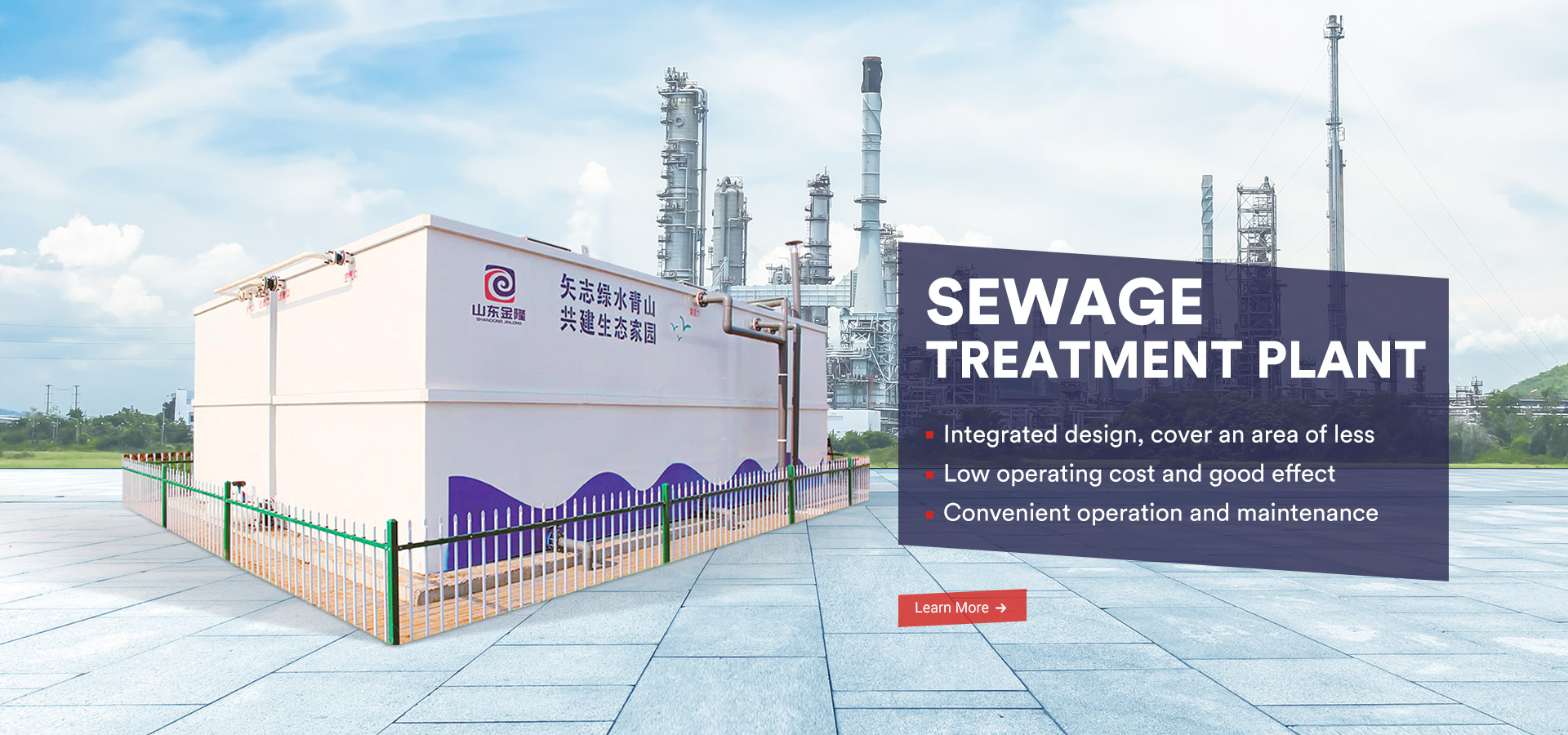
As a dedicated player in the wastewater treatment sector, I understand the complexities that come with managing rural wastewater. Our Rural Waste Water Treatment Plant is specially designed to meet the needs of rural areas in China, providing efficient and sustainable solutions. With advanced technology and a focus on minimal environmental impact, this plant ensures that communities can manage their wastewater effectively. I have witnessed firsthand how our systems not only improve water quality but also promote better public health and sanitation. Each plant is tailored to fit specific demands, making sure that operational costs are kept low without compromising performance. Choosing our products means partnering with a reliable manufacturer who is committed to delivering innovative and practical solutions. Let’s work together to enhance rural wastewater management in your area. Reach out to me for more details and let’s discuss how we can support your needs.
In 2025, the landscape of rural wastewater treatment is set to transform, and the role of suppliers is evolving into that of strategic partners. As environmental concerns escalate, rural communities face increasing pressure to manage their wastewater effectively and sustainably. Forward-thinking companies are moving beyond traditional manufacturing roles to provide comprehensive solutions that address the unique challenges of rural water management. This evolution emphasizes collaboration, where partnerships focus on delivering custom technologies and support services tailored to local needs. By incorporating advanced technologies such as modular systems and IoT-enabled monitoring, wastewater treatment facilities can ensure efficient operation while minimizing environmental impact. These innovative approaches allow for real-time data analysis, leading to quick adjustments and optimized performance. As a partner in this journey, companies are not just supplying equipment but are actively involved in the entire process—from planning and commissioning to operation and maintenance. By doing so, they help rural communities improve their water quality, comply with regulations, and achieve their sustainability goals. The future of rural wastewater treatment is bright, driven by collaboration and innovation. As suppliers embrace the role of partners, they position themselves to deliver enhanced value and foster long-term relationships with clients. By understanding the specific needs and challenges of rural areas, they can create solutions that are not only viable but also environmentally responsible, paving the way for a more sustainable future.
| Parameter | Description | Value |
|---|---|---|
| Capacity (Cubic Meters) | Daily treatment capacity | 500 |
| Energy Source | Main source for operations | Solar Energy |
| Technology Used | Type of treatment technology | Membrane Bioreactor |
| Operational Cost (Annual) | Estimated yearly costs | $150,000 |
| Emissions Reduction | CO2 emissions reduction percentage | 25% |
| Community Partners | Local organizations involved | 3 |
| Water Reuse Rate | Percentage of water reused | 80% |
| Public Awareness Programs | Number of programs initiated | 5 |