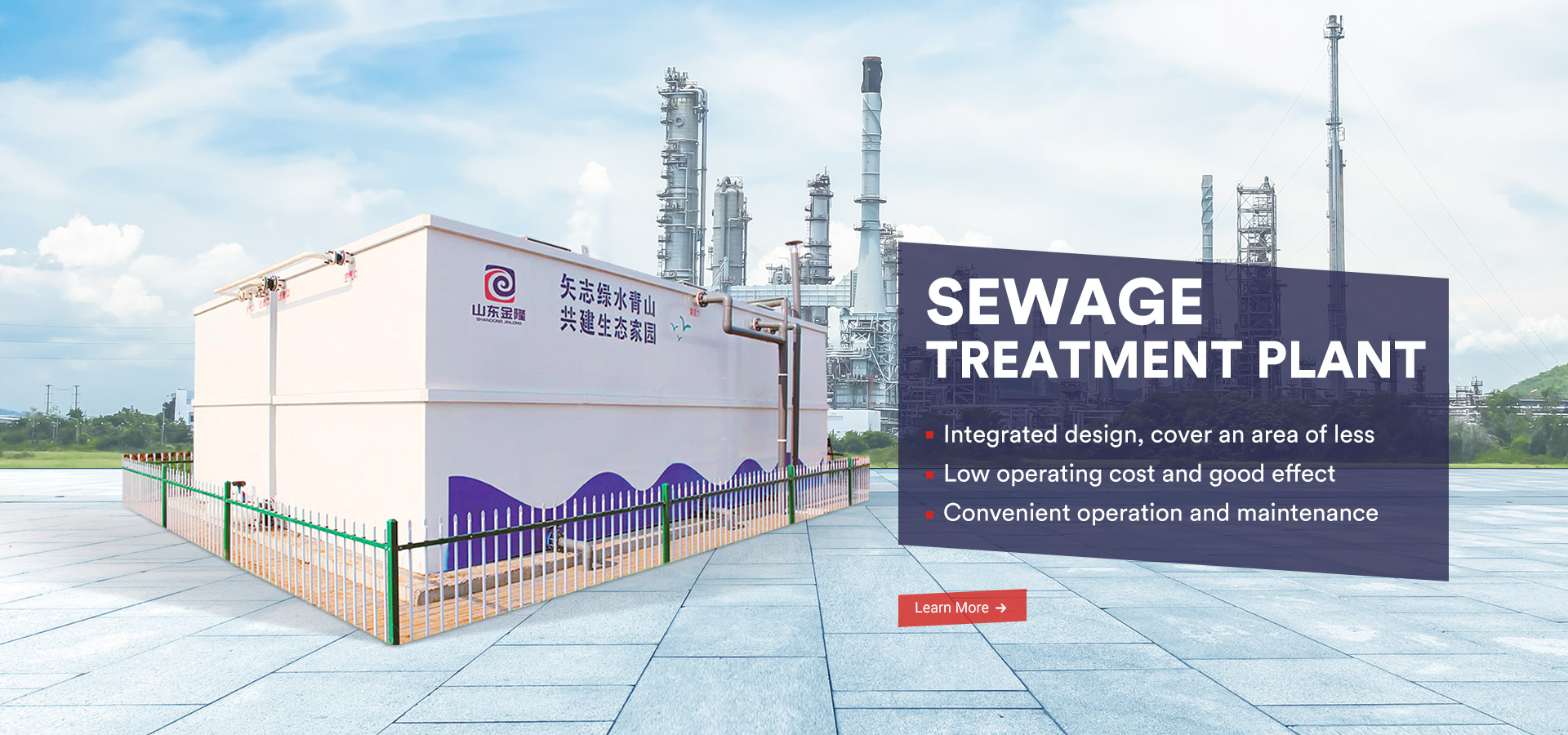
As a leading manufacturer based in China, we specialize in high-quality Textile Sewage Treatment Plants designed specifically for the textile industry. Our systems effectively address the unique challenges posed by textile wastewater, ensuring compliance with environmental regulations while optimizing operational efficiency. We understand that treating sewage from textile processes can be complex, and that’s why our plants utilize advanced technologies and methods to deliver reliable results. With customizable features, our Textile Sewage Treatment Plants cater to different production scales and types of wastewater, ensuring tailored solutions for your needs. Working closely with our clients, we prioritize transparency and support throughout the process, from consultation to installation and beyond. Partnering with us means you’re investing in sustainable practices that not only protect the environment but also enhance your brand’s reputation. Choose us, and let's build a cleaner future together!
In 2025, the textile industry faces increasing pressure to minimize its environmental impact, making the implementation of effective sewage treatment solutions crucial. Investing in advanced textile sewage treatment plants is not just an obligation; it’s an opportunity for global buyers to enhance their sustainability efforts while ensuring compliance with stricter regulations. Modern treatment plants utilize cutting-edge technology to effectively remove pollutants, making recycled water reusable in production processes. This approach not only conserves resources but also significantly reduces operating costs. The best textile sewage treatment plants in 2025 are characterized by their innovative design and adaptability to various production scales. They employ automated systems that streamline operations, ensuring high efficiency and minimal manual intervention. Furthermore, advancements in membrane bioreactor technology and advanced oxidation processes lead to improved removal rates of dye and chemical residues. By integrating these technologies, textile manufacturers can meet their specific requirements while promoting a greener image in an increasingly eco-conscious market. Investing in top-tier sewage treatment solutions is essential for textile producers looking to thrive in an evolving industry landscape. By choosing the best plants that incorporate the latest technological advancements, global buyers can not only meet regulatory demands but also position themselves as leaders in environmental stewardship. As sustainability continues to be a pivotal focus for consumers, those who embrace innovative treatment solutions will ultimately gain a competitive edge and drive long-term growth.
| Category | Technology | Capacity (m³/day) | Efficiency (%) | Energy Consumption (kWh/m³) |
|---|---|---|---|---|
| Primary Treatment | Settling Tanks | 500 | 85 | 0.5 |
| Secondary Treatment | Activated Sludge | 300 | 90 | 0.7 |
| Tertiary Treatment | Membrane Filtration | 200 | 95 | 1.0 |
| Disinfection | UV Treatment | 150 | 99 | 0.2 |







![4TEEQ6N(D)F3T~KA~Q[O]86](http://cdnus.globalso.com/cnjlmachine/4TEEQ6NDF3TKAQO86.png)
