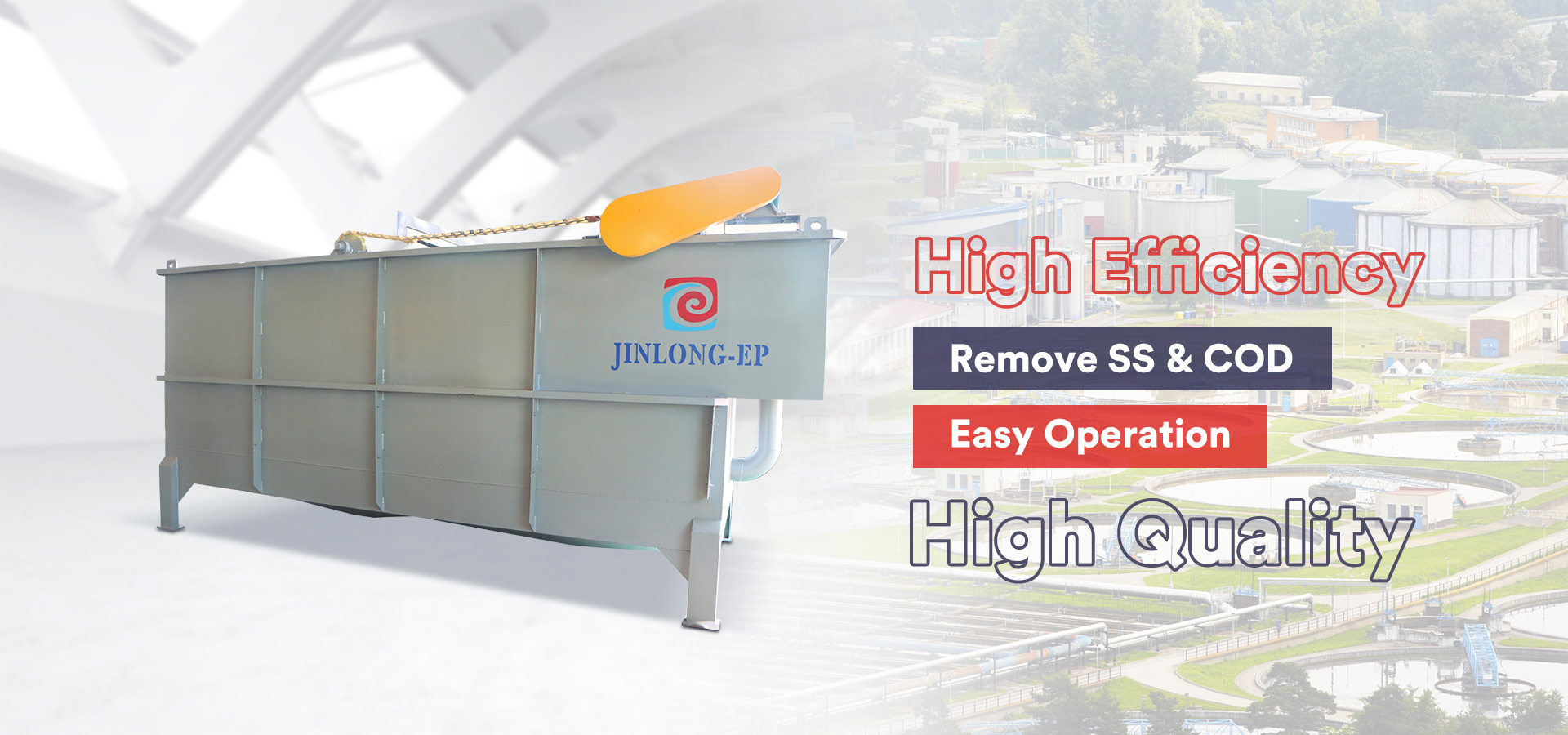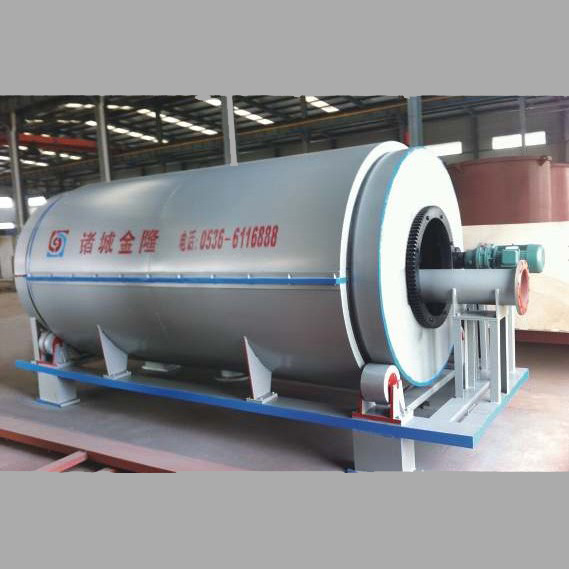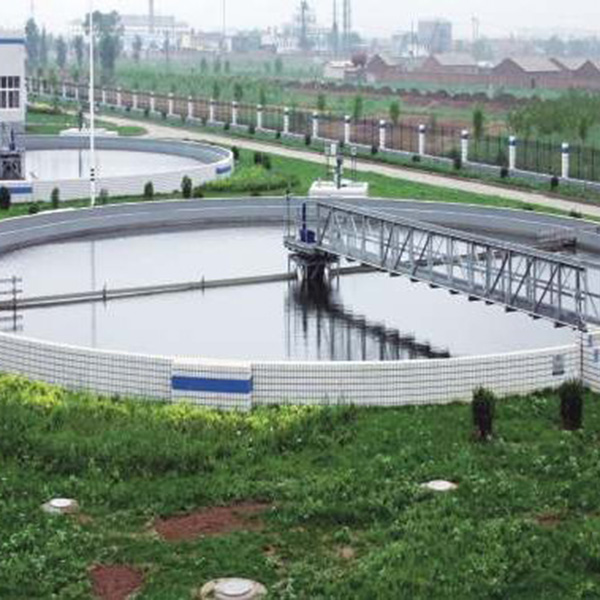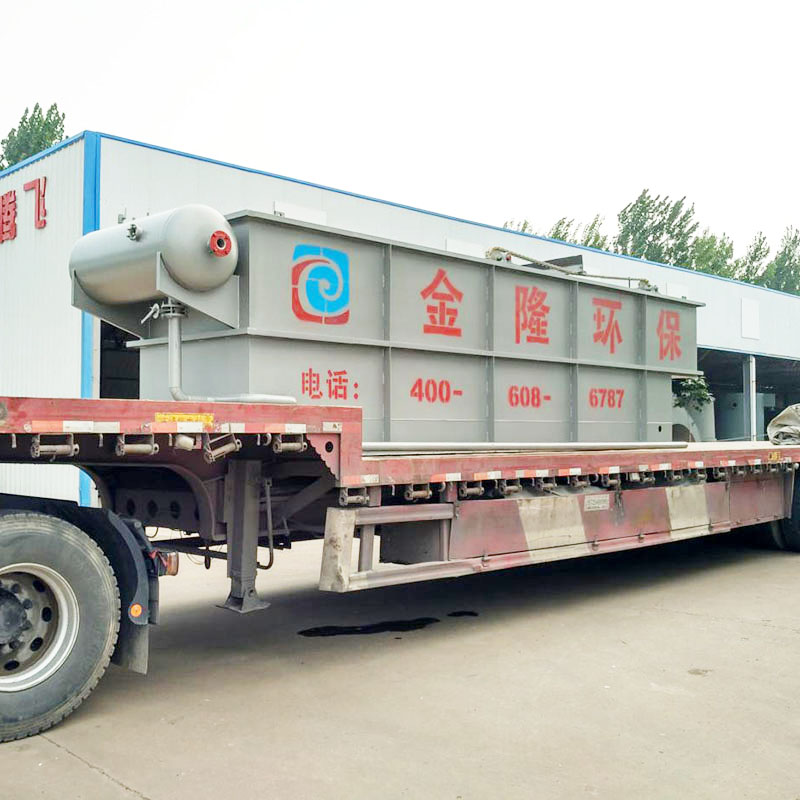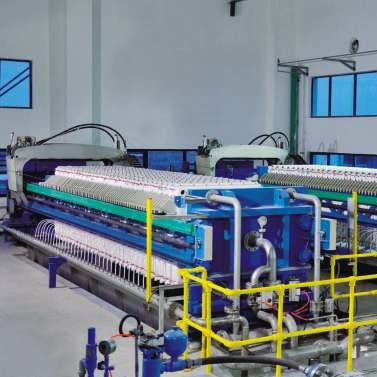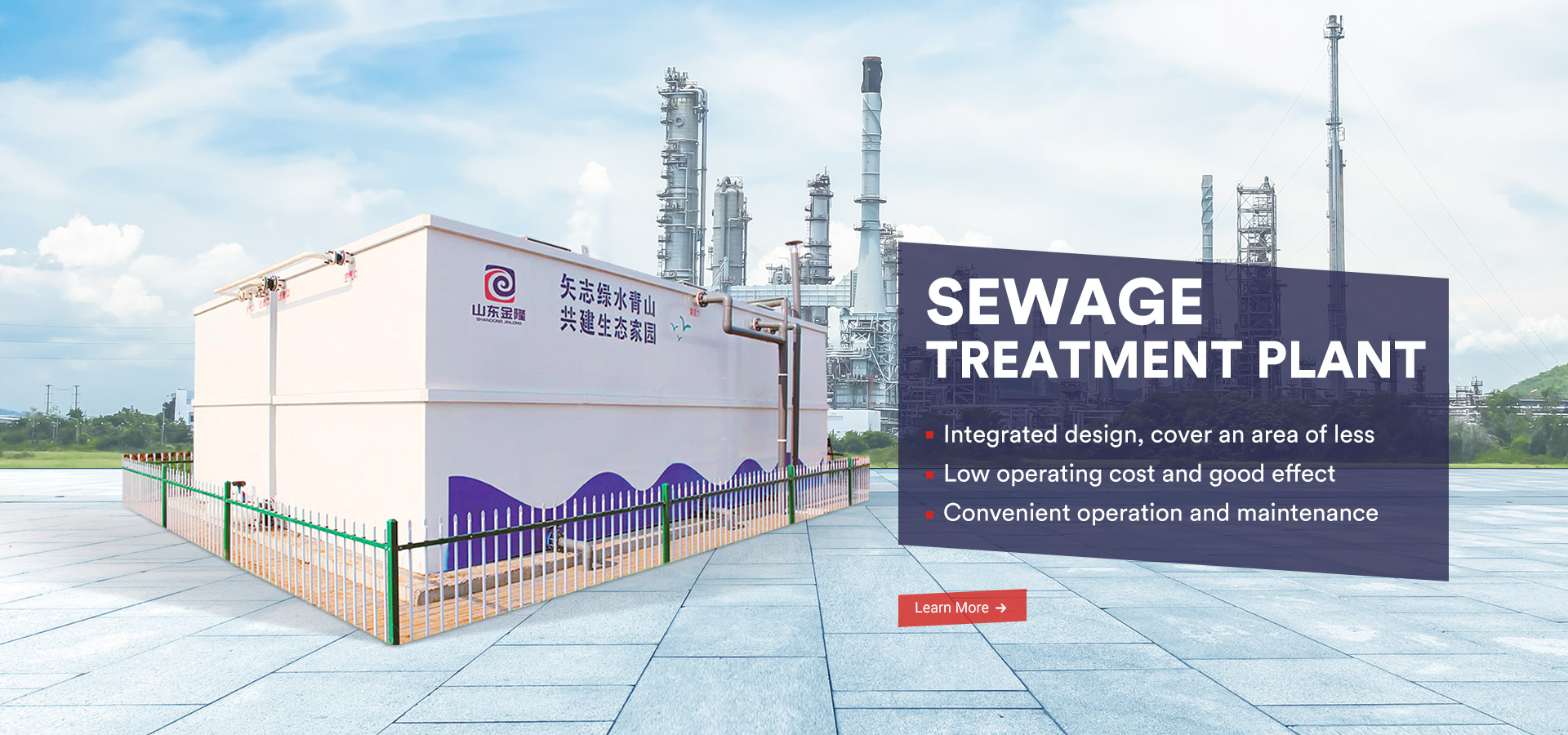
When it comes to effective water treatment solutions, our China Dissolved Air Flotation Machine stands out in the industry. As a dedicated manufacturer, I take pride in crafting machines that efficiently remove contaminants from wastewater. The unique design maximizes flotation efficiency while minimizing energy consumption, which is a win-win for both your operations and the environment. We understand that in today's market, you need reliable equipment that meets stringent regulations. That's why this machine is engineered for durability and performance, ensuring you get the best value for your investment. Trust me, every component is carefully selected to optimize performance in various applications. If you're a purchaser in search of quality solutions with proven results, I invite you to explore the benefits of our Dissolved Air Flotation Machines. Let’s work together to enhance your water treatment processes and achieve your sustainability goals effortlessly.
In the realm of water treatment technology, the Dissolved Air Flotation (DAF) machine has emerged as a pivotal solution for addressing water quality challenges across various industries. This year, the evolution of DAF machines is marked by significant advancements from concept through to delivery, ensuring efficiency and sustainability in water management processes. Designed to separate suspended solids, oil, and other impurities from water, the DAF system operates by introducing air into the water under pressure. When released, the air forms tiny bubbles that attach to the particles, facilitating their rise to the surface for easy removal. As global demand for clean water intensifies, innovative designs and technologies in DAF machines are being tailored to meet diverse needs. This includes the integration of smart technology for real-time monitoring and control, enhancing operational efficiency and reducing energy consumption. Manufacturers are also focusing on compact and modular designs, allowing for easy installation in various settings without requiring extensive infrastructure modifications. Furthermore, the emphasis on eco-friendliness continues to drive the adoption of environmentally sustainable materials and processes, aligning with global regulations and customer expectations. The journey from initial concept to the final delivery of a DAF machine does not just encompass engineering excellence but also a commitment to customer collaboration and support. By understanding the specific requirements of different sectors—be it food processing, pharmaceuticals, or municipal water treatment—manufacturers can provide tailored solutions that address unique challenges. This customer-centric approach, coupled with continuous innovation, is what ensures that DAF machines remain at the forefront of water treatment solutions in 2023 and beyond, providing purchasers with reliable, effective, and scalable options to improve their water quality management systems.
| Dimension | Specification | Material | Application | Efficiency |
|---|---|---|---|---|
| 3 m³/h | Model A | Stainless Steel | Wastewater Treatment | 85% |
| 5 m³/h | Model B | Carbon Steel | Industrial Purification | 90% |
| 10 m³/h | Model C | FRP | Food Industry | 92% |
| 15 m³/h | Model D | Polypropylene | Textile Industry | 88% |