When I first explored the advantages of Dissolved Air Flotation (DAF) systems for our operations, I was amazed by their efficiency in solid-liquid separation. High-quality DAF systems not only enhance the clarity of wastewater treatment but also significantly reduce energy consumption and operational costs. It’s like finding a perfect match for our needs; the process is simple yet incredibly effective. Partnering with top manufacturers who truly understand the intricacies of DAF technology has been a game changer. They provide reliable systems tailored to our specific requirements, ensuring optimal performance and longevity. I’ve seen firsthand how these advanced systems can improve our overall productivity while being environmentally friendly. Trust me, if you’re considering upgrading your wastewater treatment, the advantages of implementing a high-quality DAF solution will be hard to ignore. Choose wisely and watch your operations transform for the better.
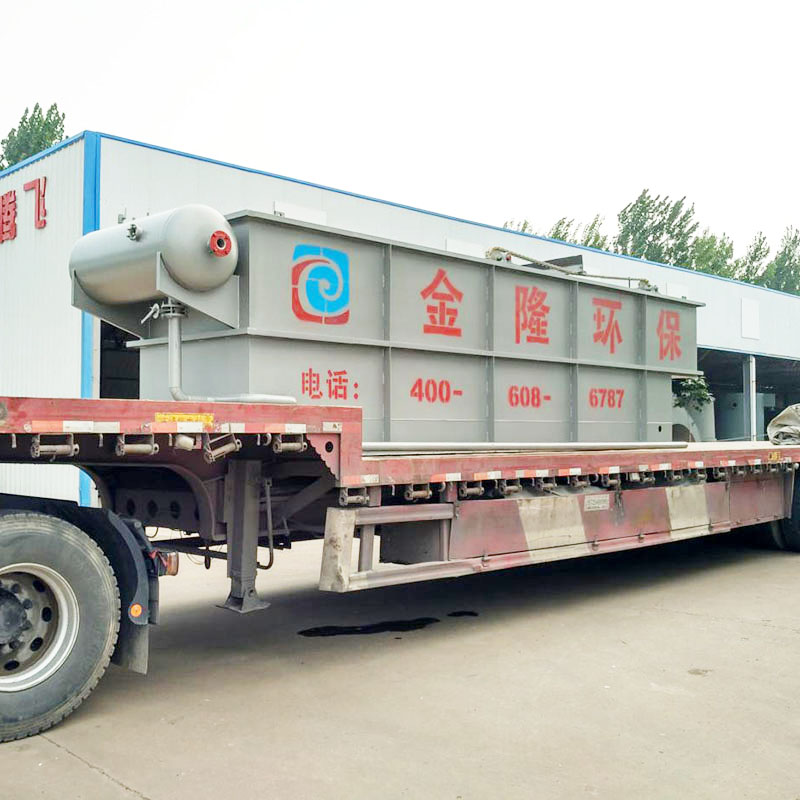
Dissolved Air Flotation (DAF) is gaining significant attention in various industries due to its effectiveness in treating wastewater and improving water quality. As global concerns about water scarcity and environmental regulations mount, DAF systems are emerging as a leading solution for efficient solid-liquid separation. This innovative technology utilizes microbubbles to attach to suspended solids, allowing for their rapid flotation to the surface, thus simplifying the sludge removal process. One of the primary advantages of DAF systems is their ability to handle a wide range of water types, from industrial effluents to municipal wastewater. This versatility makes them an attractive option for businesses across different sectors. Additionally, DAF systems are known for their compact design, which maximizes space efficiency, a crucial factor for many operations. Moreover, the reduction in chemicals required for treatment can lead to significant cost savings, making DAF an economically viable choice for companies looking to enhance their sustainability efforts. As industries continue to prioritize eco-friendly practices, the adoption of DAF technology will likely increase. By investing in advanced wastewater treatment solutions like DAF systems, companies not only comply with regulations but also contribute to a greener tomorrow. The current trend towards DAF systems signifies a shift in the industry, highlighting the importance of effective water treatment solutions that meet both operational needs and environmental responsibilities.
| Advantage | Description | Applications | Current Trends |
|---|---|---|---|
| High Efficiency | Effective removal of suspended solids and oils. | Industrial wastewater treatment, food processing. | Increasing use in municipal treatment facilities. |
| Compact Design | Requires less space compared to traditional methods. | Urban areas with limited space. | Adoption in smaller scale operations. |
| Cost-Effective | Lower operational and maintenance costs. | Commercial swimming pools, industrial sectors. | Rising interest in energy-efficient processes. |
| Scalability | Easily adjustable for varying flow rates. | Food and beverage industry, municipal systems. | Flexible systems designed for modular expansion. |
| Reduced Chemical Use | Lower chemical consumption than conventional methods. | Chemical industry, oil recovery. | Increased focus on sustainability and green chemistry. |