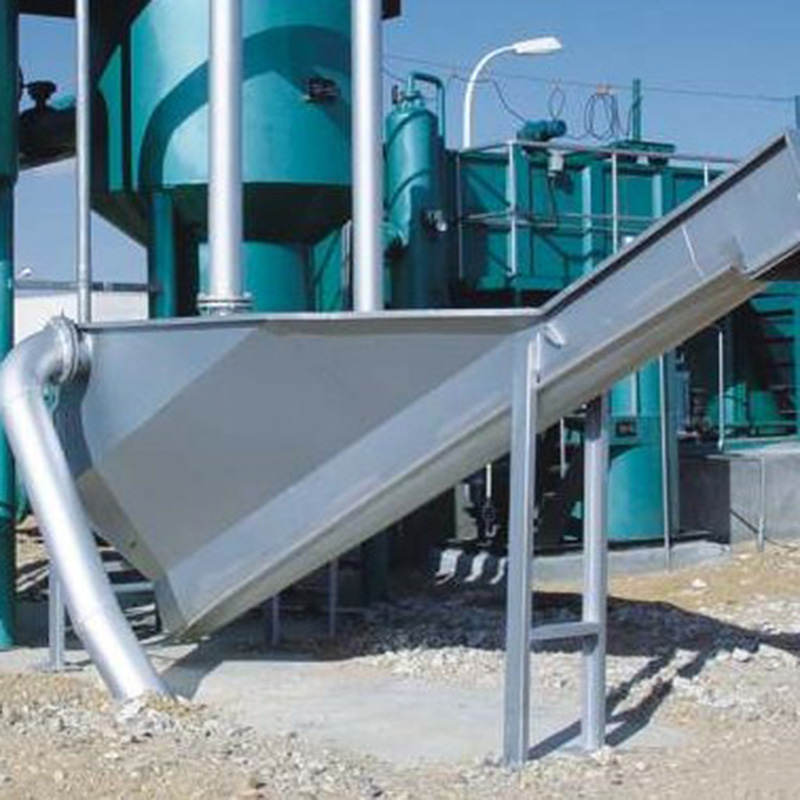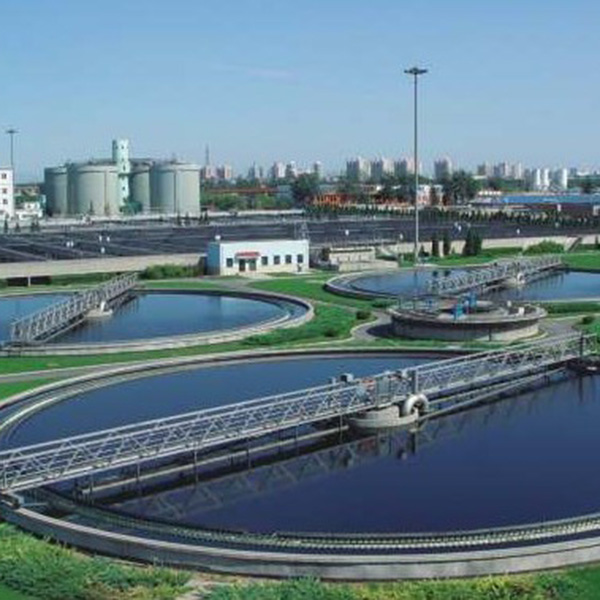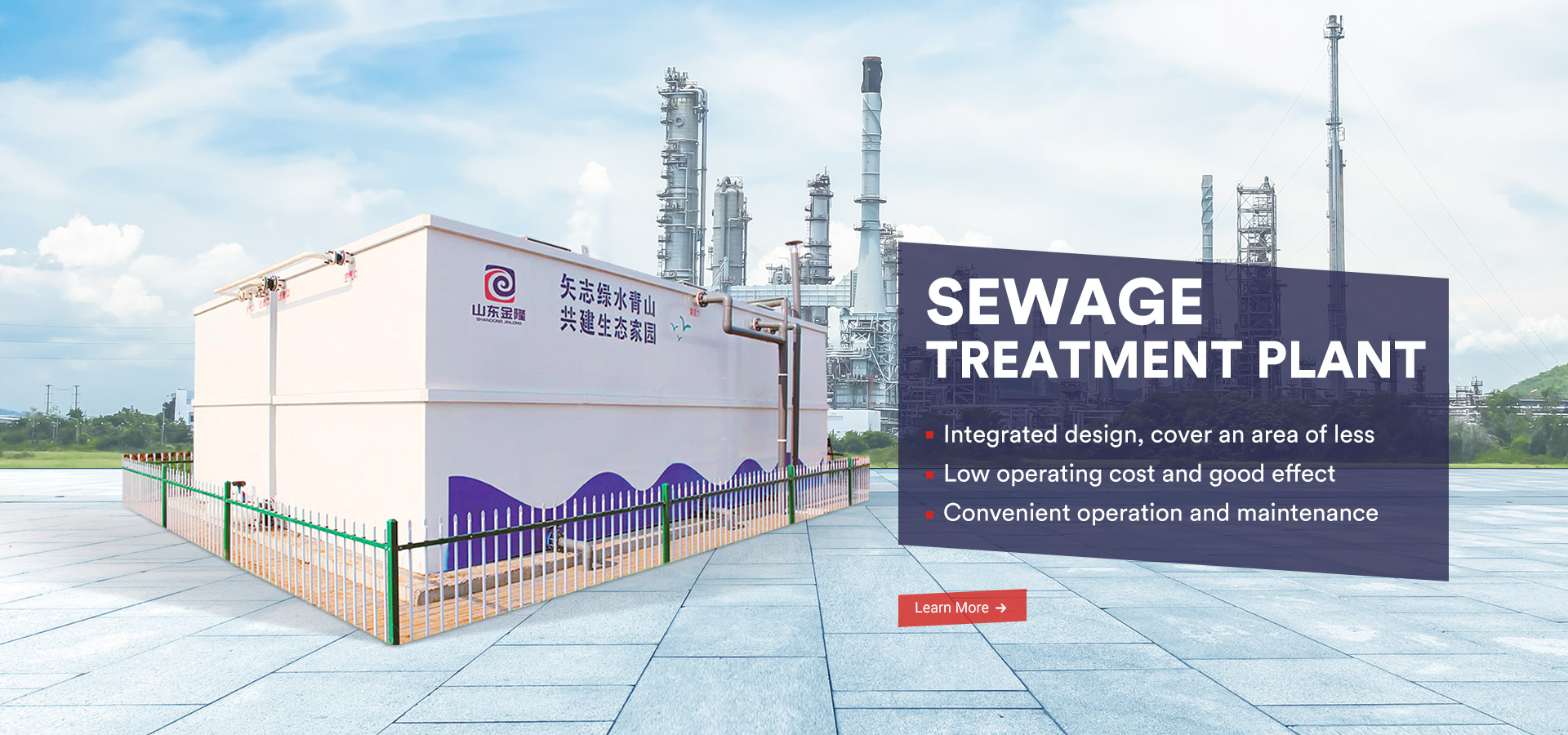
As a leading manufacturer in China, I understand the unique challenges restaurants face when it comes to wastewater management. Our Restaurant Wastewater Treatment Plant is designed to handle the specific needs of the food service industry, ensuring compliance with environmental regulations while maintaining operational efficiency. We’ve developed a robust solution that not only reduces harmful pollutants but also helps in recycling water for non-potable uses, which can significantly lower water costs for your establishment. Our system is easy to install and requires minimal maintenance, allowing you to focus more on your business rather than on wastewater issues. Plus, with our commitment to quality and durability, you'll find that investing in our treatment plant pays off in the long run. If you're pursuing sustainable wastewater solutions, let’s talk about how our innovative technology can fit into your restaurant's operations. Together, we can create a cleaner, greener future!
The increasing global concern about environmental sustainability has compelled industries, especially the food and beverage sector, to adopt innovative solutions for waste management. Restaurant wastewater treatment plants are at the forefront of this transformation, ensuring that establishments not only comply with regulatory standards but also contribute positively to their communities. These advanced treatment systems are specifically designed to handle the unique challenges posed by the organic and inorganic waste generated in the restaurant industry. With a focus on peak performance, modern wastewater treatment plants implement cutting-edge technologies that facilitate efficient breakdown of pollutants, preserving both water resources and the ecosystem. By investing in state-of-the-art solutions, restaurateurs can enhance their operational efficiency, reduce costs associated with waste disposal, and improve their overall environmental footprint. The integration of smart monitoring systems further enables real-time performance assessments, ensuring that all processes run smoothly and effectively, thereby maximizing productivity while minimizing waste. Procurement professionals in the food service sector should prioritize wastewater treatment solutions that not only meet current regulatory requirements but also offer scalability for future growth. As the industry evolves, selecting advanced treatment plants designed to guarantee peak performance can be a game-changer, promoting sustainability and operational excellence in restaurant management. Embracing these innovative solutions not only safeguards the environment but also positions businesses as leaders in responsible waste management.
| Parameter | Description | Standard Value | Performance Metrics |
|---|---|---|---|
| Biochemical Oxygen Demand (BOD) | Measures the amount of oxygen used by microorganisms in the decomposition of organic matter. | < 30 mg/L | 95% removal efficiency |
| Chemical Oxygen Demand (COD) | Indicates the total quantity of oxygen required to chemically oxidize organic and inorganic matter. | < 250 mg/L | 90% removal efficiency |
| Total Suspended Solids (TSS) | Concentration of solid particles suspended in water. | < 50 mg/L | 97% removal efficiency |
| pH Level | A measure of how acidic or basic the water is. | 6.5 - 8.5 | Stable in operational range |
| Nutrient Removal | Efficient removal of nitrogen and phosphorus to prevent water pollution. | < 10 mg/L (Nitrogen), < 1 mg/L (Phosphorus) | 85% removal efficiency |




![4TEEQ6N(D)F3T~KA~Q[O]86](http://cdnus.globalso.com/cnjlmachine/4TEEQ6NDF3TKAQO86.png)