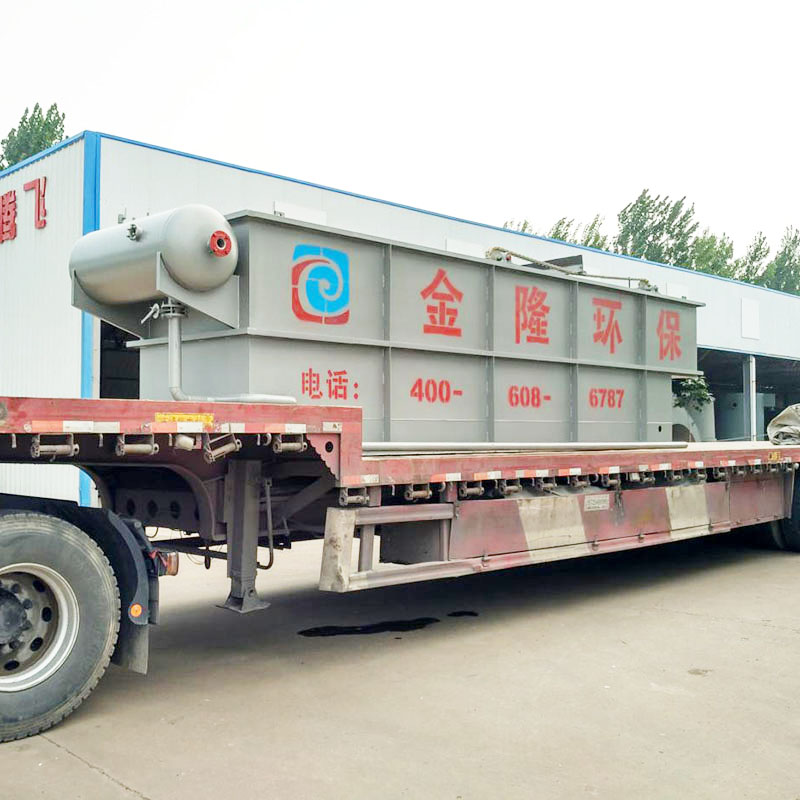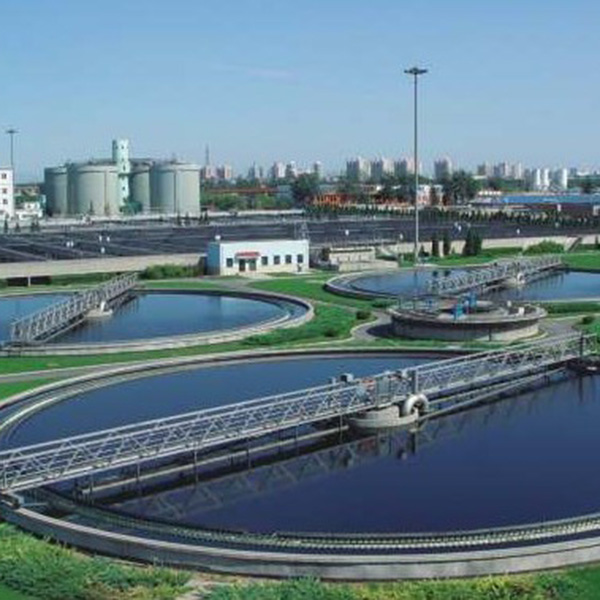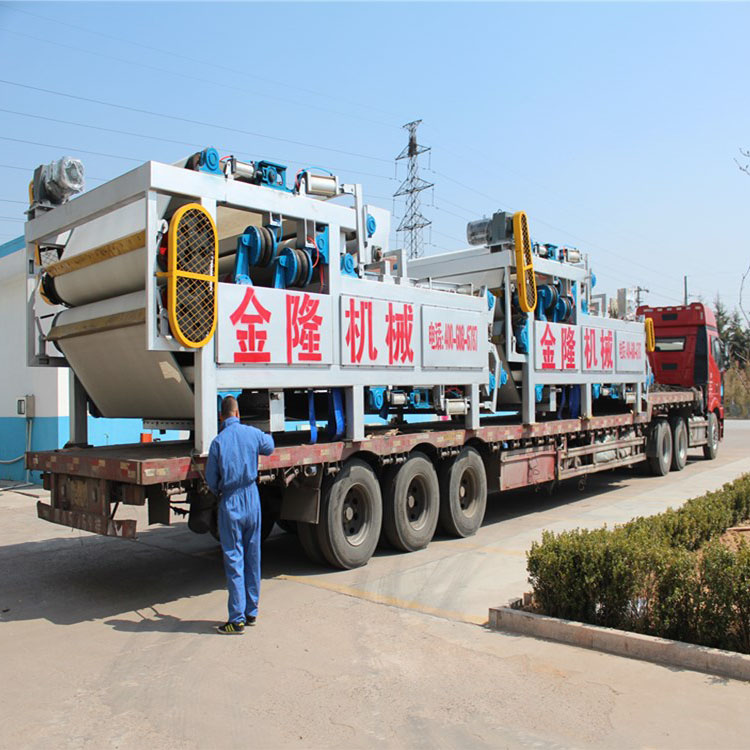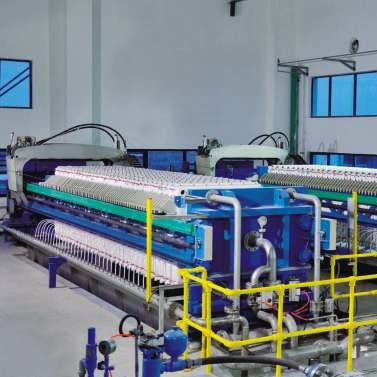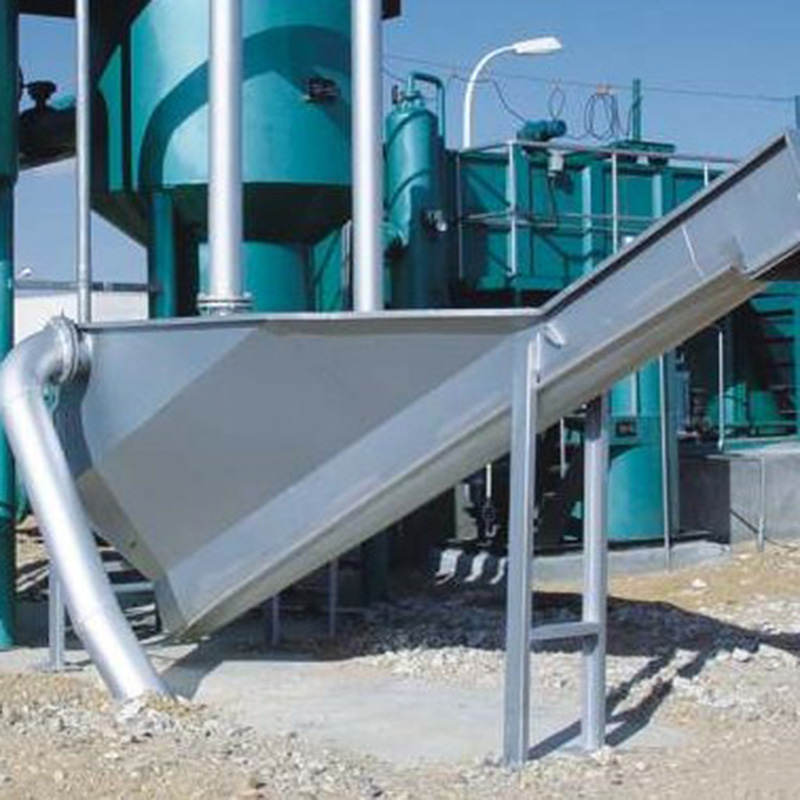
When it comes to efficient wastewater treatment, the **advantages of dissolved air flotation** (DAF) are truly remarkable. I've seen first-hand how this innovative technology enhances separation processes, effectively removing suspended solids, oils, and greases from water. As a buyer in the B2B sector, you want reliable solutions, and DAF systems just deliver that. Being a manufacturer based in China, we take pride in our commitment to quality and performance. Our DAF systems are designed to cater to various industrial needs, ensuring maximum efficiency and cost-effectiveness. I can vouch for the fact that these systems not only save you money but also significantly reduce your environmental footprint. When you invest in our dissolved air flotation equipment, you're not just purchasing a product; you're ensuring a sustainable future for your operations. Let's make your wastewater management easier and more effective together. Reach out now to learn how our solutions can meet your specific needs!
Dissolved Air Flotation (DAF) systems have emerged as a leading solution in various industrial applications, particularly for wastewater treatment. The advantages of DAF technology are numerous, making it a compelling choice for businesses seeking efficient and effective methods to handle liquid waste. One of the most significant benefits is its ability to remove suspended solids, oils, and greases from wastewater with remarkable efficiency. The process works by saturating the water with air under pressure, creating tiny air bubbles that adhere to the contaminants, allowing them to float to the surface for easy removal. This not only improves water quality but also minimizes the environmental impact of industrial operations. Another notable advantage of DAF systems is their versatility. They are effective across a wide range of industries, from food and beverage to petrochemical and manufacturing. This adaptability ensures that businesses can rely on DAF systems regardless of their specific needs. Additionally, DAF technology is often more compact than other treatment methods, allowing companies to save valuable floor space while still achieving high-performance results. As industries face increasing regulatory pressures and strive for sustainability, implementing DAF systems can significantly enhance operational efficiency and compliance. Moreover, DAF systems require less chemical usage compared to traditional treatment methods, leading to reduced operational costs and a smaller environmental footprint. The simplicity of the DAF process means that maintenance is also straightforward, allowing for longer periods between routine servicing. As global buyers seek advanced solutions that not only meet regulatory demands but also contribute to sustainable practices, opting for DAF technology represents a smart investment in the future of industrial operations.
| Advantage | Description | Application | Impact |
|---|---|---|---|
| High Efficiency | Removes suspended solids effectively, resulting in a high-quality effluent. | Wastewater Treatment | Improves water quality for discharge or reuse. |
| Compact Design | Requires less space compared to traditional treatment methods. | Urban and Industrial Applications | Ideal for facilities with limited space. |
| Cost-Effective | Reduced equipment and operational costs over time. | Municipal Water Treatment | Lower financial burden for communities. |
| Versatility | Can treat a wide variety of wastewater types. | Food and Beverage Industries | Adaptable to different wastewater challenges. |
| Environmentally Friendly | Reduces the need for harmful chemicals in treatment processes. | Industrial Effluent Treatment | Supports sustainability goals of industries. |