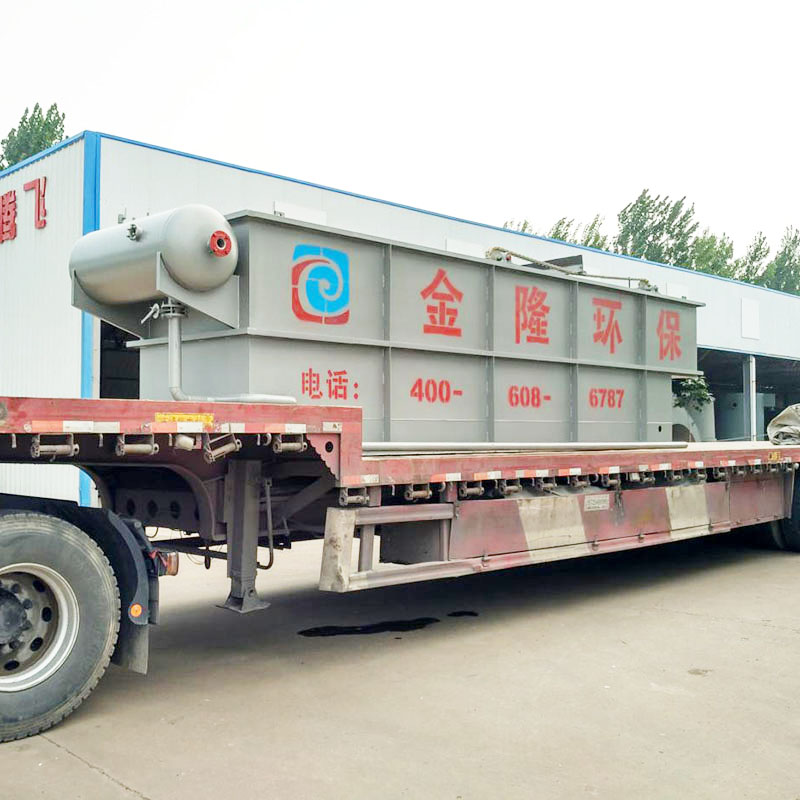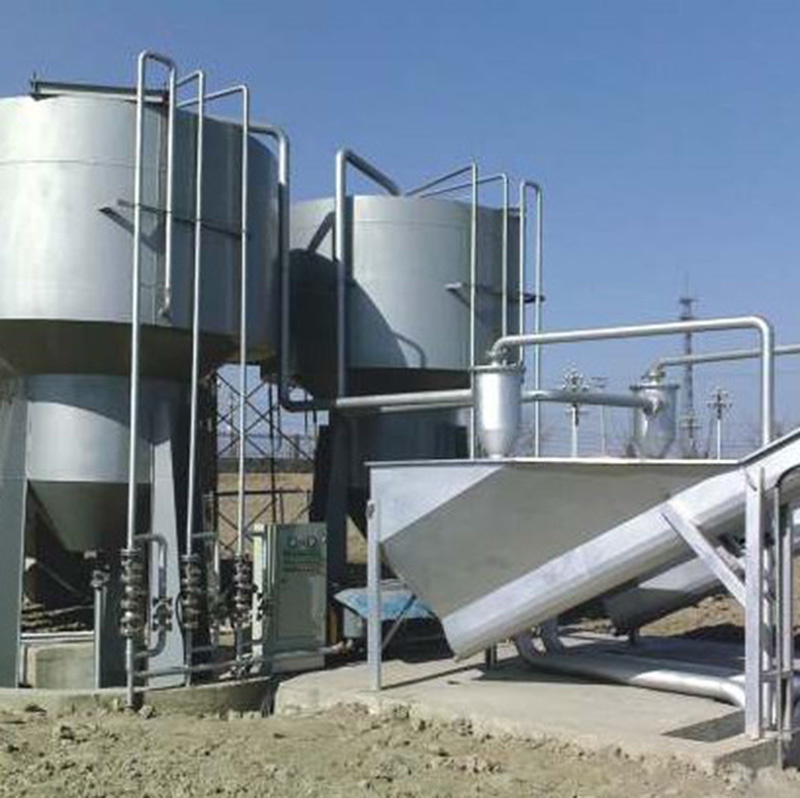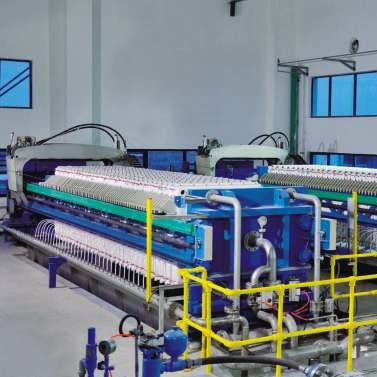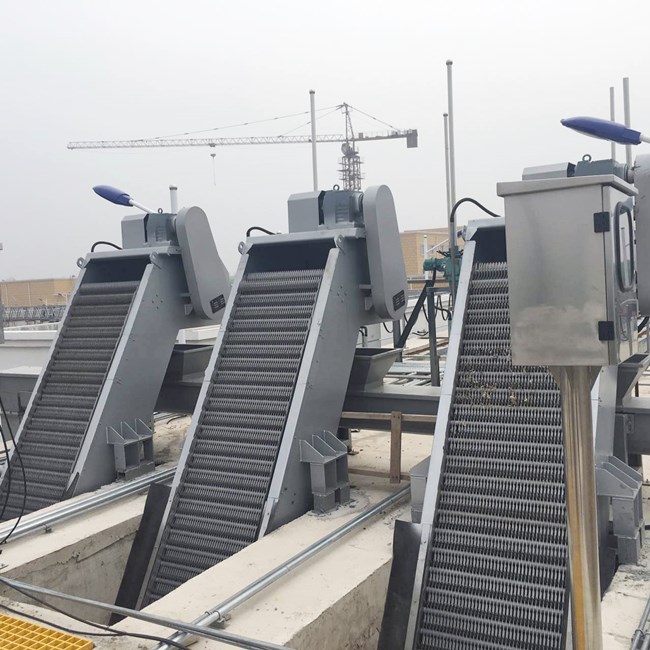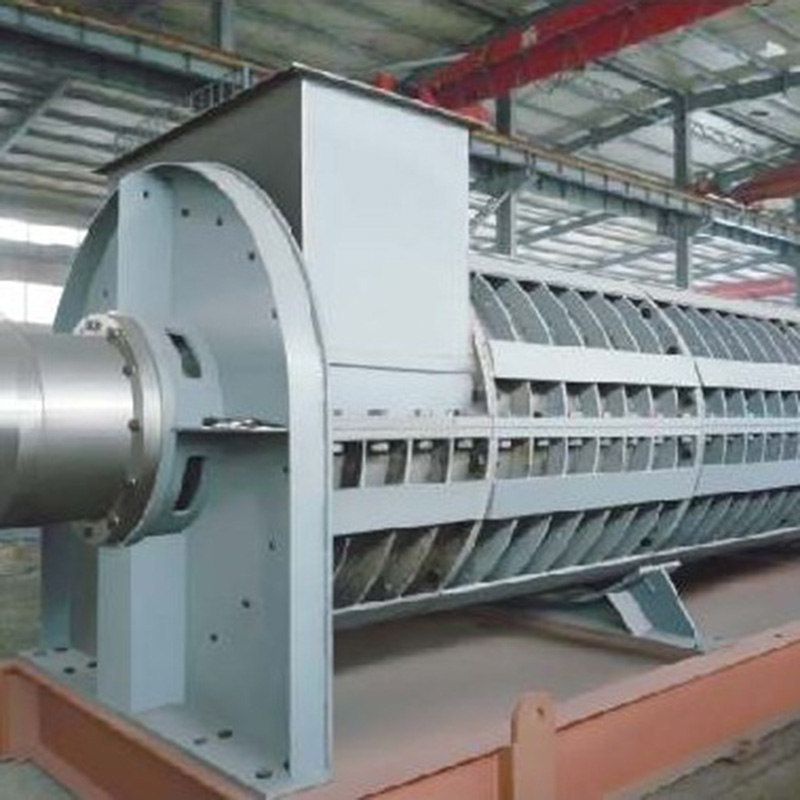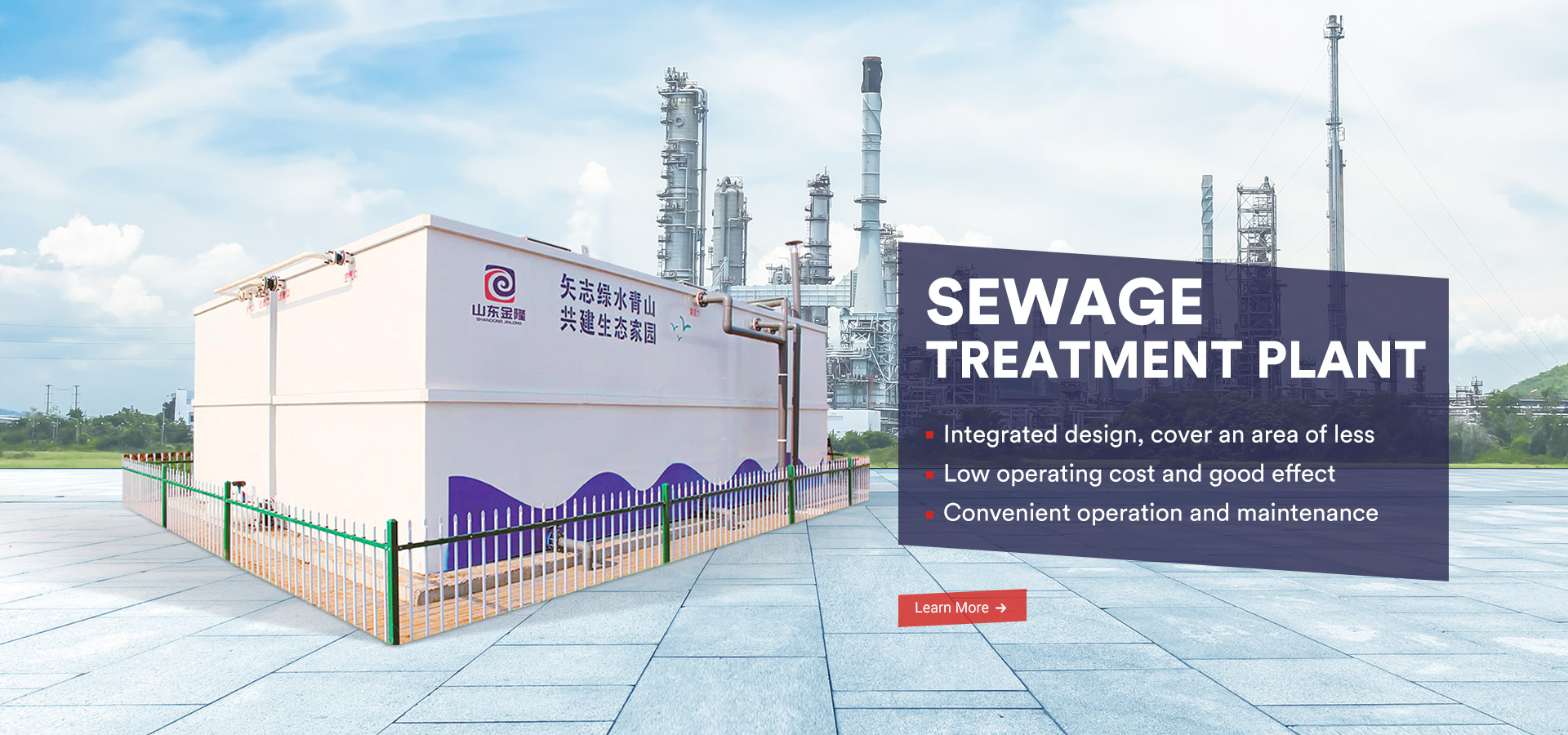
Dissolved Air Flotation (DAF) is a highly efficient water treatment process I know well that helps separate solids from liquids. The working principle relies on the saturation of water with air, which forms tiny bubbles that attach to the suspended solids, making them rise to the surface for easy removal. This method is particularly effective for treating industrial effluents and wastewater. As a manufacturer based in China, my focus is on delivering reliable and effective DAF systems tailored to meet your specific needs. I understand the importance of quality and efficiency in water treatment for businesses like yours. Our products are designed to improve your operations while ensuring compliance with environmental standards. If you’re interested in enhancing your wastewater management processes, let’s connect. I’m here to help you find the right solution!
Dissolved Air Flotation (DAF) systems have emerged as a leading solution in wastewater treatment, particularly in industries that generate high volumes of industrial effluent. The principle behind DAF is simple yet effective: it utilizes micro-bubbles to separate solids and contaminants from liquid. In this process, air is dissolved in water under pressure and then released at atmospheric pressure in a flotation tank. As the pressure decreases, the dissolved air forms tiny bubbles that attach to the solid particles, causing them to rise and be removed from the water surface. This technology not only enhances the efficiency of water treatment processes but also significantly reduces sludge volume, making it a favored choice in various applications, including food processing, chemical manufacturing, and municipal wastewater treatment. With the increasing emphasis on sustainable practices and environmental compliance, more global buyers are seeking advanced wastewater treatment solutions that balance performance with cost-effectiveness. DAF systems are recognized for their ability to handle fluctuating wastewater characteristics and their low operational costs. Furthermore, the integration of DAF technology with other treatment processes, such as biological treatment and filtration, can lead to enhanced overall system performance. By adopting innovative designs and efficient engineering solutions, manufacturers are ensuring that these systems meet the diverse needs of different industries, further driving their popularity in the global market. As water scarcity becomes a pressing issue, investing in efficient and reliable wastewater treatment technology like Dissolved Air Flotation is critical. Industrial sectors are not only required to comply with stringent regulations but also to adopt practices that promote water reuse and recycling. This trend is driving demand for sophisticated DAF systems that provide high-quality effluent suitable for reuse. Therefore, understanding the operational benefits and increasing market adoption of DAF technology is essential for global procurement professionals looking to source efficient and environmentally friendly wastewater management solutions.
| Parameter | Description | Impact on DAF | Current Trends |
|---|---|---|---|
| Air Flotation Principle | Utilizes microbubbles to separate solids from liquids. | Increases efficiency of separation processes. | Growing adoption in municipal and industrial sectors. |
| Types of DAF | Includes horizontal and vertical systems. | Different applications based on design efficiency. | Emphasis on modular designs for flexibility. |
| Chemical Usage | Coagulants and flocculants enhance performance. | Higher flotation rates and clearer effluent. | Interest in eco-friendly chemical alternatives. |
| Applications | Used in wastewater treatment, food processing, and more. | Versatile solution for various sectors. | Expansion in offshore and oil & gas industries. |
| Technology Innovations | Integration of automation and IoT technologies. | Enhanced monitoring and control of processes. | Focus on data analytics for optimized operations. |