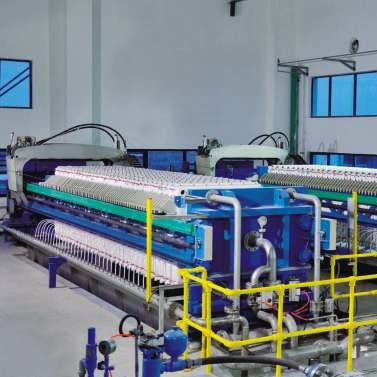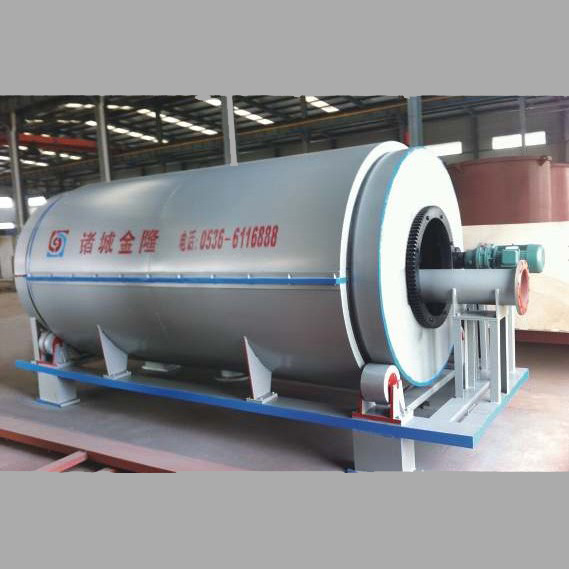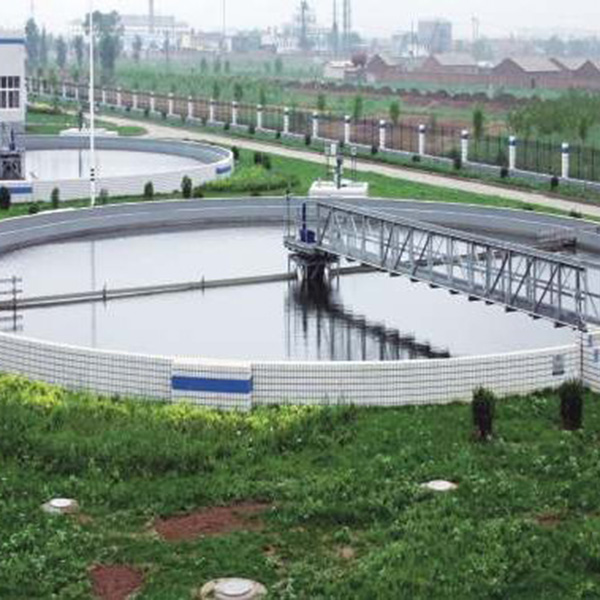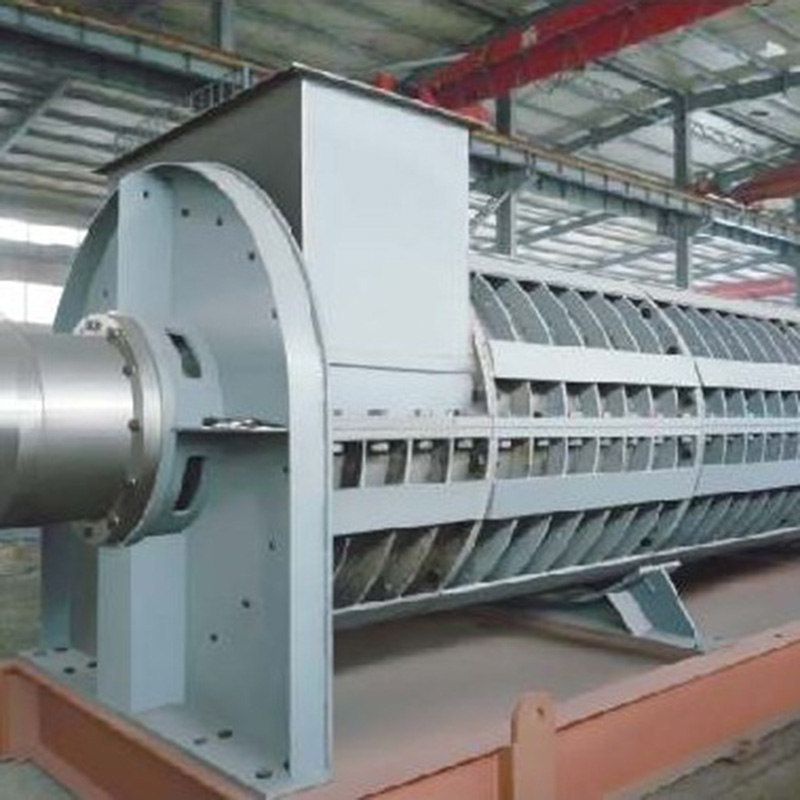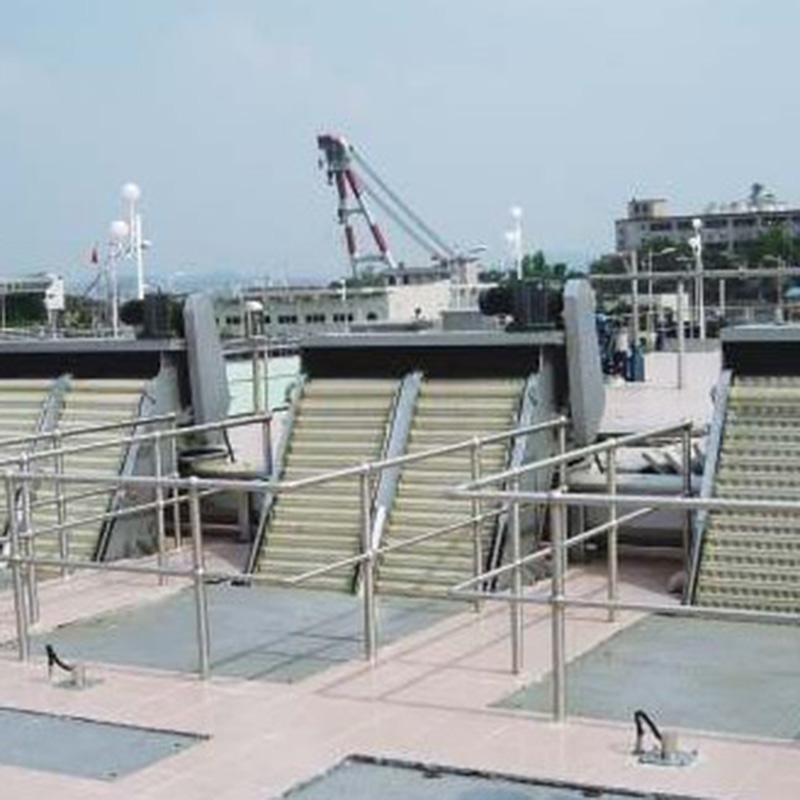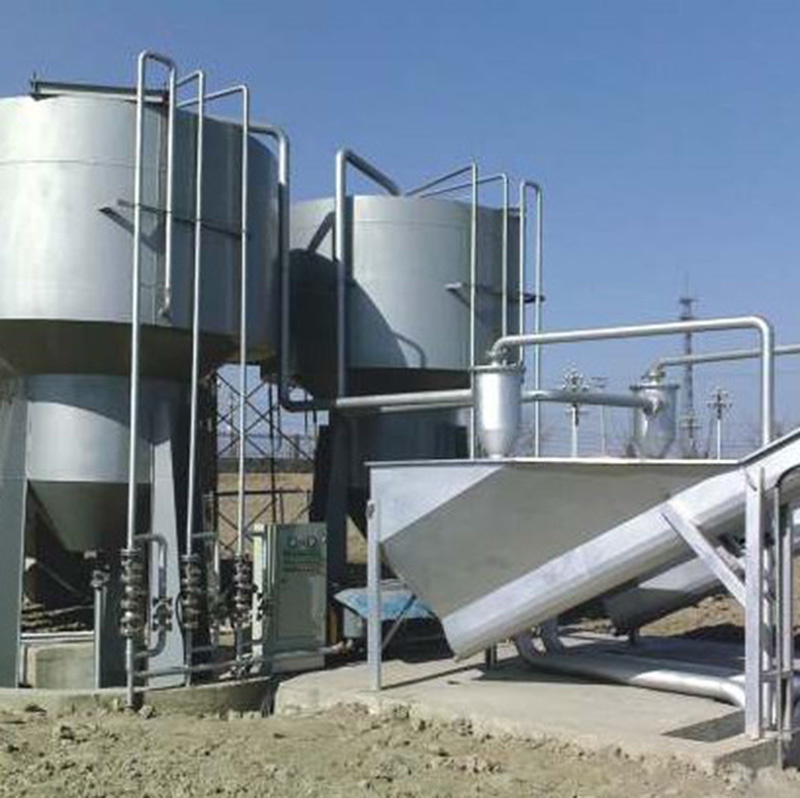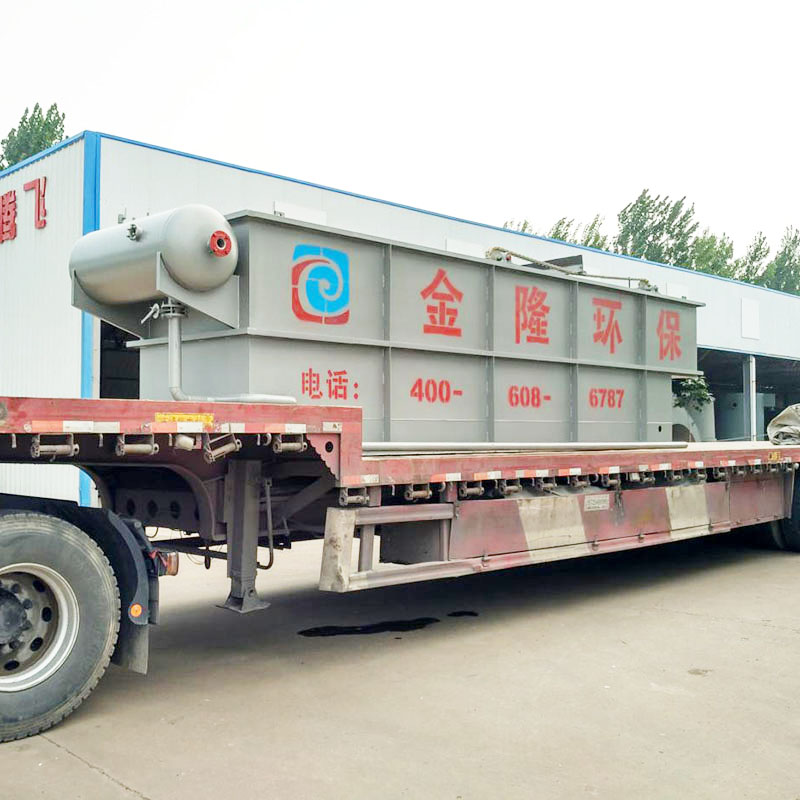
When seeking reliable solutions for wastewater treatment, I often recommend our high-quality sedimentation tank, manufactured right here in China. These tanks are designed to efficiently separate solids from liquids, making them essential for various industrial applications. Their robust construction ensures long-lasting performance even in demanding environments. With a deep understanding of the market, we’ve tailored our sedimentation tanks to meet the unique needs of manufacturers. Our designs focus on optimizing flow patterns and maximizing sedimentation efficiency, helping you achieve cleaner effluents. Plus, the customization options we offer allow businesses like yours to find the perfect fit for their operations. Choosing our sedimentation tanks means investing in reliability and efficiency. Join countless satisfied B2B purchasers who trust us for their wastewater treatment needs. Let’s elevate your processes together and ensure sustainable practices that benefit both business and environment.
As we look towards 2025, the field of industrial equipment, especially in wastewater treatment, is poised for transformative innovations. One key component, the sedimentation tank, is evolving to meet the demands of stricter environmental regulations and the increasing need for efficient resource recovery. Advanced technologies, such as smart sensors and AI-driven analytics, are enabling these tanks to optimize performance, reduce energy consumption, and improve the overall sustainability of operations. Global procurement professionals should focus on innovations that enhance the functionality and reliability of sedimentation tanks. Modern designs are not only built for durability but also incorporate modularity, allowing for scalable solutions that can adapt to shifting operational needs. With a growing emphasis on circular economy practices, the integration of sedimentation systems that facilitate sludge recycling and water reuse will be vital in maximizing efficiency and minimizing waste. In this rapidly changing landscape, collaboration between manufacturers and procurement specialists is essential. By investing in state-of-the-art sedimentation tank solutions, businesses can ensure compliance with upcoming regulations while also advancing their sustainability goals. The future of sedimentation technology is bright, and at the forefront of these advancements lies the potential for innovation that benefits both the environment and the bottom line.
| Parameter | Description | Value | Impact |
|---|---|---|---|
| Tank Volume | Total volume of sedimentation tank | 5000 m³ | Increased sedimentation efficiency |
| Hydraulic Retention Time | Time water stays in tank | 4 hours | Optimal particle settling |
| Sludge Volume | Accumulated sludge in the tank | 500 m³ | Efficient waste management |
| Influent Quality | Water quality before entering tank | BOD: 150 mg/L; TSS: 200 mg/L | Influences treatment processes |
| Tank Design | Type of sedimentation tank | Rectangular | Maximizes surface area |
| Automation Level | Degree of automated control | High | Improves operational efficiency |


![4TEEQ6N(D)F3T~KA~Q[O]86](http://cdnus.globalso.com/cnjlmachine/4TEEQ6NDF3TKAQO86.png)